
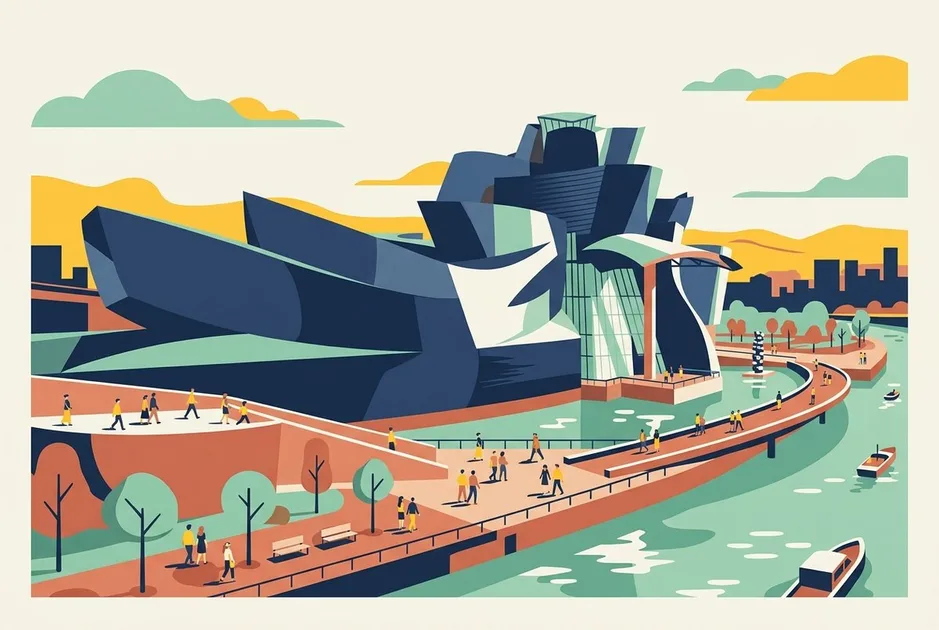
The case of the Spanish city of Bilbao has become a classic example of how a large-scale cultural project can completely change the development trajectory of a depressed region. The so-called "Bilbao effect" demonstrates that investing in landmark architecture and reimagining urban space can restart the economy, turning a former industrial center into a global magnet for tourists and innovation. This experience is particularly valuable today, as Ukrainian cities seek effective tools for post-war recovery, the revitalization of neglected areas, and the search for a new urban identity.
From Industrial Collapse to Strategic Vision
In the second half of the twentieth century, Bilbao, located in northern Spain, was undergoing a profound systemic crisis. The city, whose economy had traditionally relied on metallurgy, heavy machinery manufacturing, shipbuilding, and port activities, could not withstand the challenges of global deindustrialization. The mass closure of factories and shipyards in the 1980s led to soaring unemployment, an exodus of the working-age population, and the general decline of urban infrastructure.
The situation was critically exacerbated by environmental degradation. The Nervión River, which flows through the city and was once the primary transport artery for industry, had turned into an extremely polluted body of water, while its banks were densely covered with abandoned warehouses and docks. Bilbao was perceived as a gray, depressed city with no prospects.
Instead of trying to artificially subsidize unprofitable industrial enterprises, local authorities, together with the regional government, made a risky yet visionary decision. A new development strategy was formulated, envisioning a radical transition from heavy industry to a service-, culture-, and high-tech-driven economy. The city needed a powerful catalyst capable of transforming its image, attracting investors, and restoring the residents' faith in their own future.
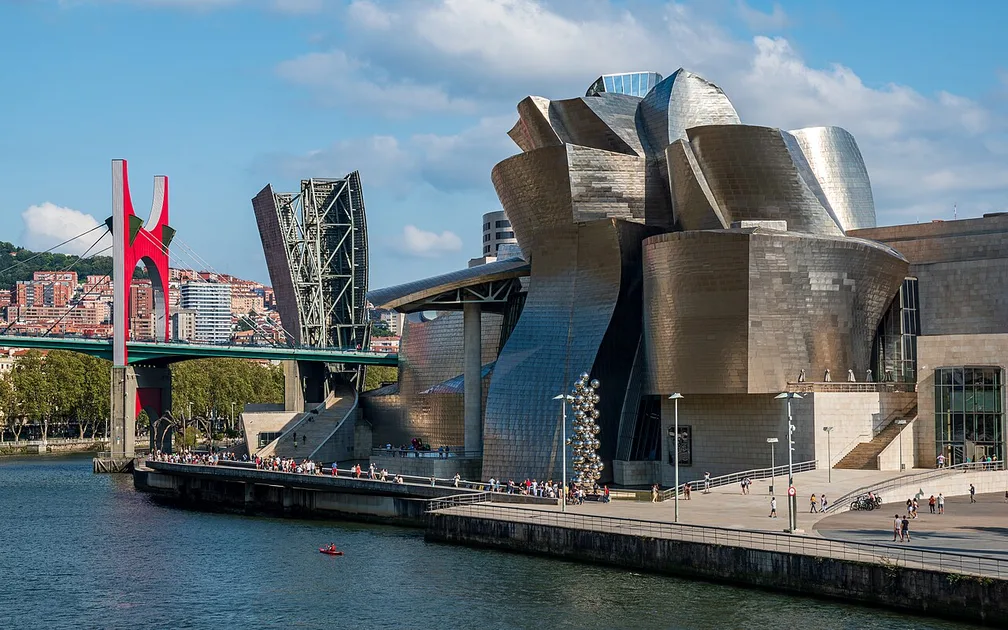
Architectural Magnet: The Role of the Guggenheim Museum
The centerpiece of the new urban strategy was an agreement with the Solomon R. Guggenheim Foundation to open a branch of the modern art museum in Bilbao. Initially, this decision faced significant resistance and skepticism among local residents, as spending immense funds on a cultural facility in the midst of an economic crisis seemed unreasonable to many. Nevertheless, the authorities took the risk, and that gamble paid off completely.
Renowned architect Frank Gehry was commissioned to design the building. Erected on the riverbank on the site of former port facilities, the museum building became a true architectural masterpiece. Its deconstructivist, fluid forms, clad in thousands of titanium panels, dramatically reflected light and water, contrasting with traditional buildings while honoring the city's industrial and shipbuilding past.
The opening of the museum in the late 1990s exceeded the boldest expectations. In a very short time, it attracted millions of visitors from all over the world. The tourism boom significantly boosted the hospitality, gastronomy, retail, and service sectors, creating thousands of new jobs. The city earned a new status as a European cultural capital, acclaimed by the global media. This phenomenon—where a single landmark building can radically transform a city's economy and global perception—became established in urban studies as the "Bilbao effect."
Comprehensive Revitalization: Why One Museum Is Not Enough
Global popularity often reduces Bilbao's success solely to the construction of a striking museum; however, the real secret lies in a deep, comprehensive approach to urban planning. The Guggenheim Museum was merely an anchor project, the vivid tip of the iceberg of a large-scale urban regeneration program that unfolded around it.
In parallel with the construction of the cultural center, the city invested colossal resources into the environmental cleanup of the Nervión River. A large-scale master plan returned waterfront areas to the people: kilometers of green embankments, pedestrian routes, and bike paths replaced derelict docks. Industrial districts underwent gentrification, transforming into modern residential quarters and business hubs.
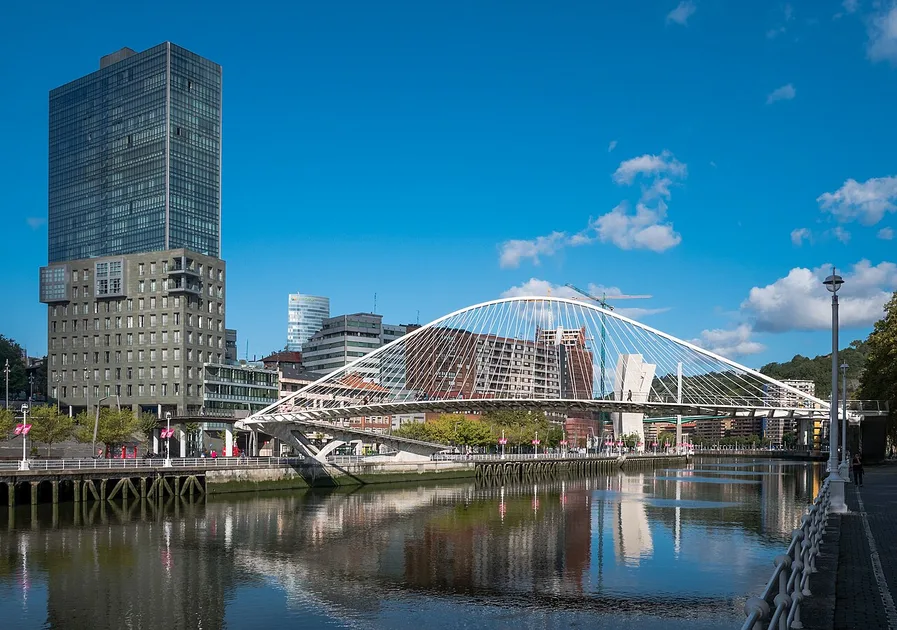
A crucially important component of the transformation was the modernization of transport infrastructure. The city built a new subway line, introduced an eco-friendly modern tram system, expanded its international airport, and erected new pedestrian bridges. Leading global architects were also commissioned to design these facilities, reinforcing the overarching commitment to innovation and high design quality. Thus, the city's success lies in the fact that landmark architecture did not remain an isolated attraction, but was organically woven into a well-thought-out system aimed at improving the quality of life for all residents.
Lessons for Ukrainian cities
- Culture as an economic driver: Cultural institutions and landmark architectural projects should be viewed not merely as social expenses, but as powerful instruments for attracting investment, creating jobs, and restarting the local economy.
- The need for a comprehensive approach: No architectural project, no matter how extraordinary, will produce a sustainable effect without the parallel renewal of basic infrastructure, the creation of high-quality public spaces, and the resolution of urban environmental issues.
- Reimagining industrial heritage: Former industrial zones and abandoned enterprises, which often seem like a burden, hold immense potential for revitalization and transformation into modern hubs of community life.
- Boldness in long-term planning: Successful transformation requires political will and a readiness to implement ambitious, sometimes initially unpopular decisions grounded in a clear strategic vision for the future.