How cities around the world went through their own transformations — and what Ukrainian communities can take from that experience. Every case is a real story of change: transport, housing, space, resident participation.

01Copenhagen · Denmark
Copenhagen is often called the bicycle capital of the world, but this status is not the result of a unique mentality or favorable climate, but rather the consequence of consistent and bold urban policy.
Read more →
02Barcelona · Spain
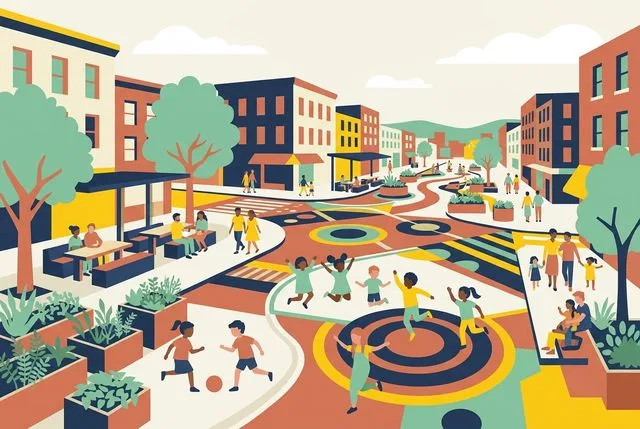
The concept of 'superblocks' (super-illes) in Barcelona is one of the most famous modern examples of how a metropolis can radically shift priorities by reclaiming space from cars in favor of pedestrians.
Read more →
03Medellín · Colombia
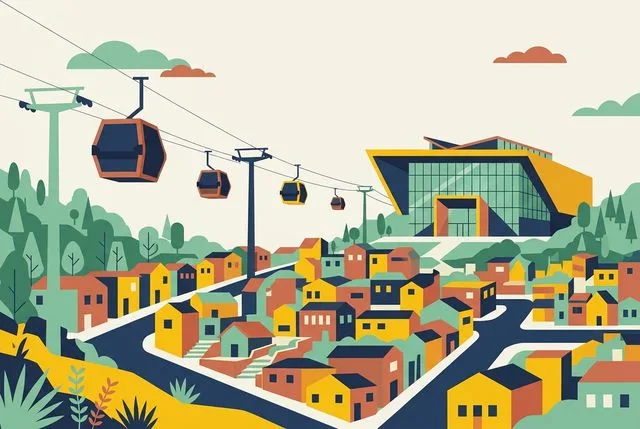
The experience of Colombia's Medellín is a classic example of how a city once considered the most dangerous in the world managed to overcome a profound crisis by changing its approach to urban planning.
Read more →

04Paris · France
The '15-minute city' concept, actively implemented by the Paris authorities, offers a new urban planning model where all essential services are accessible to residents within a short walk or bike ride.
Read more →

05Seoul · South Korea
The Cheonggyecheon river restoration project in Seoul is one of the world's most famous examples of how cities can correct the mistakes of the past by moving away from car-centric infrastructure.
Read more →
06Singapore · Singapore
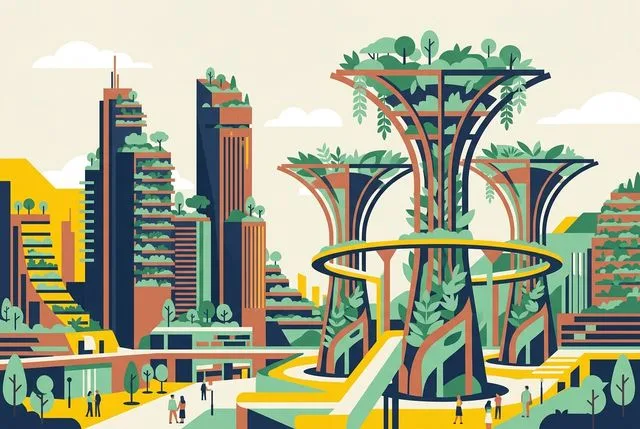
Singapore has made an unprecedented transition from a densely built metropolis to an innovative 'city in nature' concept, where green spaces are physically integrated into architecture at all levels.
Read more →

07Vienna · Austria
The Vienna social housing model is one of the world's most successful examples of how a city can provide its residents with affordable, high-quality apartments while avoiding the marginalization of entire neighborhoods.
Read more →

08Amsterdam · Netherlands
Modern Amsterdam is perceived as the cycling capital of the world, yet just half a century ago, the city was choking on traffic congestion and rapidly turning into a space friendly exclusively to private cars.
Read more →
09New York · USA
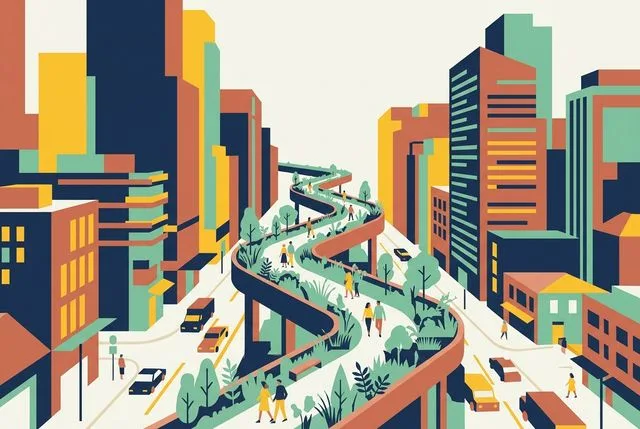
New York's High Line park is a classic example of how neglected industrial infrastructure can gain a new life and become a magnet for residents and tourists alike.
Read more →

10Helsinki · Finland
The Finnish capital, Helsinki, has become virtually the only city in the world to have almost completely eliminated street homelessness thanks to the Housing First approach.
Read more →
11Tokyo · Japan
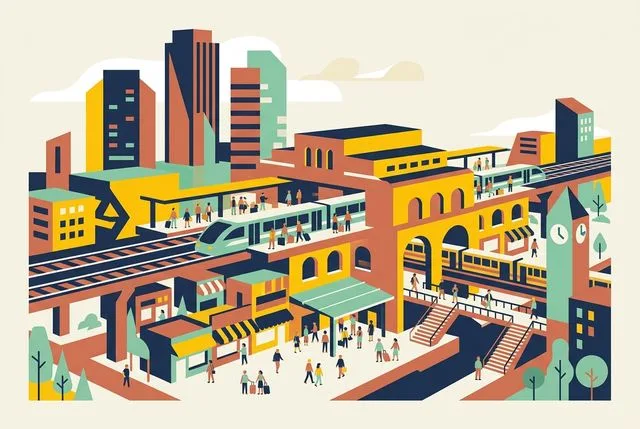
Tokyo's experience demonstrates how railway infrastructure can become not merely a transport artery, but the main driver of spatial, social, and economic development for a vast metropolis.
Read more →

12Rotterdam · Netherlands
Largely situated below sea level, Rotterdam has found an innovative way to combat extreme downpours, turning the threat of flooding into a tool for developing public spaces.
Read more →
13Bilbao · Spain
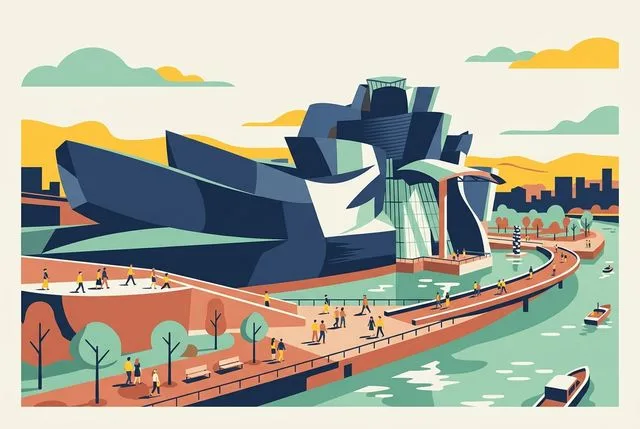
The case of the Spanish city of Bilbao has become a classic example of how a large-scale cultural project can completely alter the development trajectory of a depressed region.
Read more →
14Leipzig · Germany
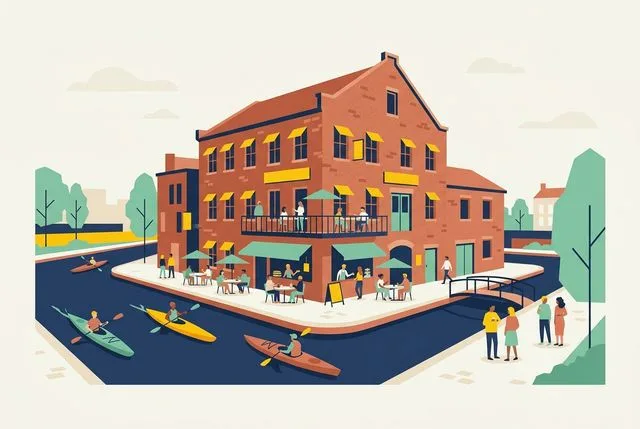
Following German reunification, Leipzig faced a massive population outflow and industrial decline, turning into a typical shrinking city.
Read more →
15Warsaw · Poland
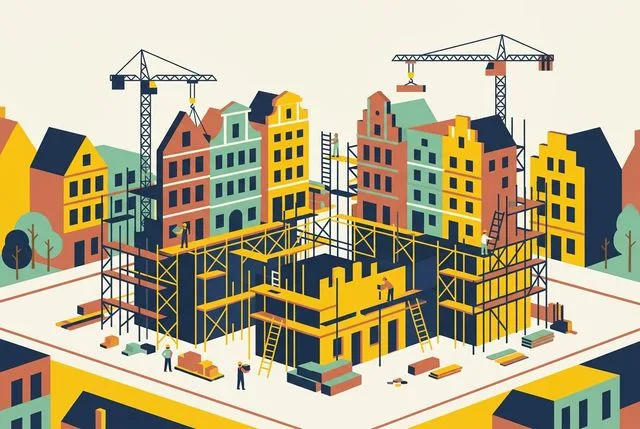
The experience of post-war Warsaw, which was almost completely destroyed during World War II, is one of the largest and most successful examples of urban reconstruction in world history.
Read more →
16Tallinn · Estonia
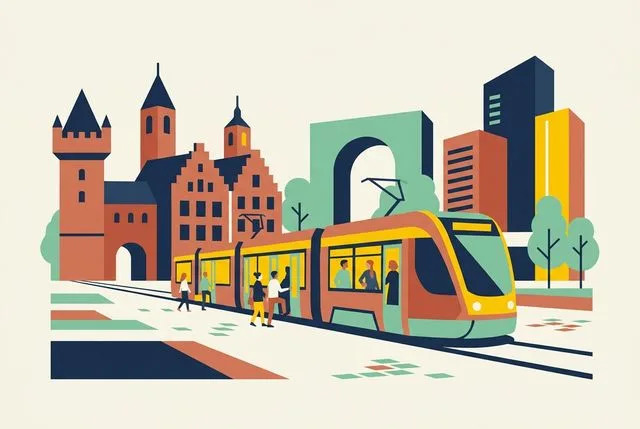
In 2013, the capital of Estonia became the first European city to introduce fully free public transport for its registered residents.
Read more →
17Oslo · Norway
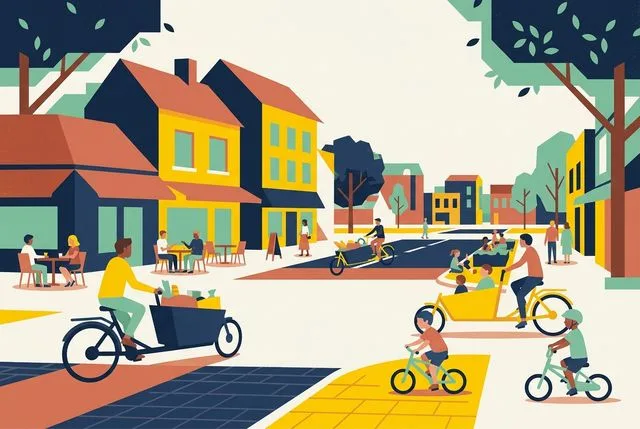
Oslo's experience demonstrates how targeted urban policies can transform a polluted city center into a safe space prioritizing pedestrians and cyclists.
Read more →
18Curitiba · Brazil
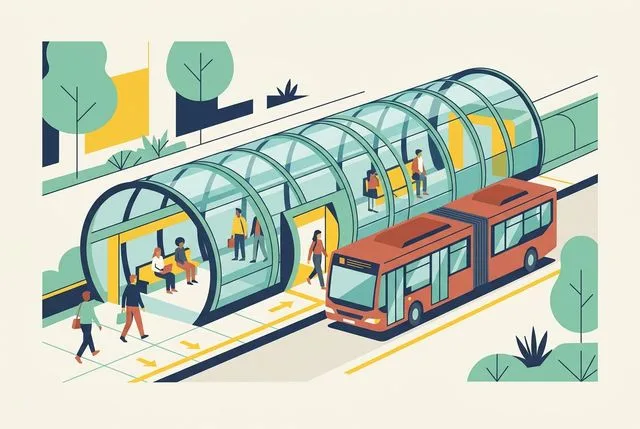
Decades ago, the Brazilian city of Curitiba proved that creating a fast and efficient public transport system does not require digging kilometers of tunnels.
Read more →
19Freiburg · Germany
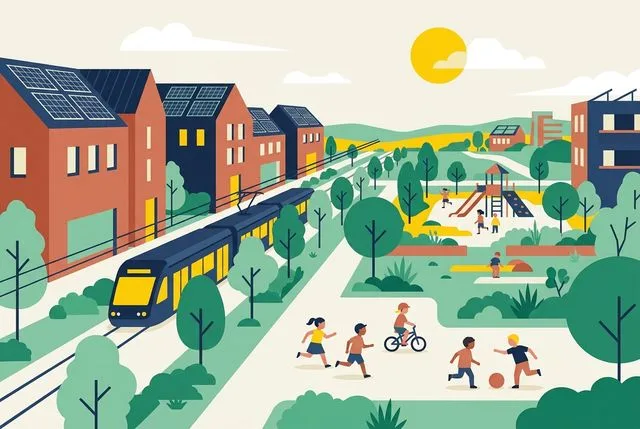
The Vauban district in the German city of Freiburg is one of Europe's most famous examples of successfully transforming a former military site into a sustainable eco-district, where cars have completely given way to pedestrians and nature.
Read more →

20London · United Kingdom
London’s Congestion Charge system has become one of the world's most famous examples of how an unpopular political decision can fundamentally transform urban mobility.
Read more →

21Milan · Italy
Milan's Open Squares (Piazze Aperte) program has become one of Europe's most successful examples of tactical urbanism, proving that transforming a car-centric intersection into a comfortable public space does not require years of design
Read more →
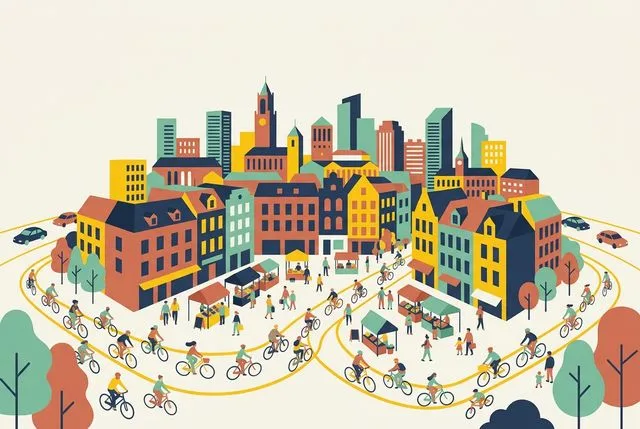
22Groningen · Netherlands
In the second half of the twentieth century, the Dutch city of Groningen took a radical step, permanently changing its traffic patterns and effectively freeing its historic center from through traffic overnight.
Read more →

23Portland · USA
The American city of Portland has become a textbook global example of how to stop uncontrolled suburban sprawl using the tool of an Urban Growth Boundary.
Read more →

24Hamburg · Germany
Hamburg's HafenCity project is one of the largest and most renowned examples of urban revitalization in Europe, transforming abandoned port areas into a modern, multifunctional district.
Read more →

25Porto Alegre · Brazil
In the late 1980s, the Brazilian city of Porto Alegre became the first in the world to introduce participatory budgeting—a mechanism that allowed residents to directly decide how to spend a portion of municipal funds.
Read more →