
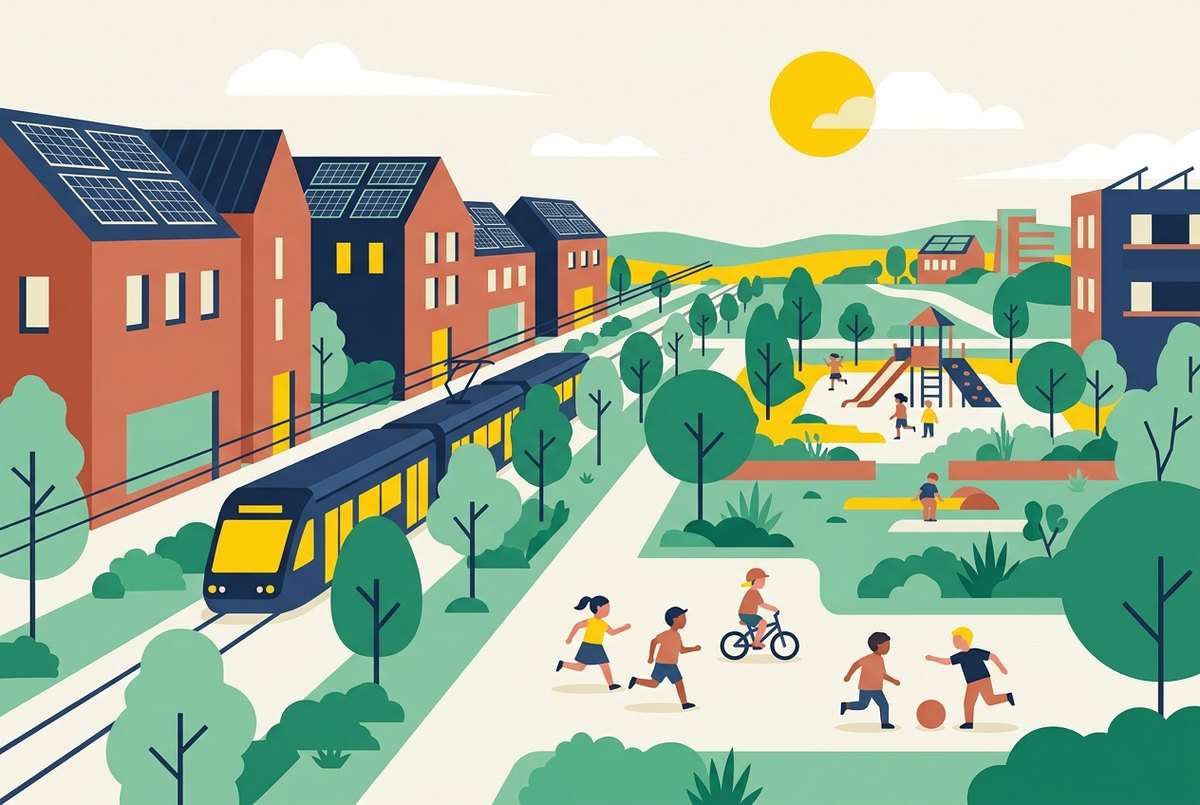
The Vauban district in the German city of Freiburg is one of Europe's most famous examples of successfully transforming a former military site into a sustainable eco-district, where cars have completely given way to pedestrians and nature. This case proves that a radical shift in parking approaches is not only possible, but capable of fundamentally improving the quality of life, creating a safe, quiet, and eco-friendly environment for city residents.
From a Military Base to a Green Oasis
The history of the Vauban district began at the end of the last century when the French military vacated their spacious barracks on the outskirts of Freiburg. The city authorities purchased the land, but decided against the traditional path of developing generic high-rises or creating a classic "bedroom community." Instead, an ambitious master plan was developed, envisioning an innovative residential area guided by the principles of sustainable development and ecological urbanism. The main target audience for the new district was young families with children, for whom safety and the environment were top priorities.
A key aspect of the planning was a mindful approach to the existing landscape. Instead of clear-cutting the area for new construction, the planners preserved a significant number of mature trees. This gave the new district a sense of coziness from day one and helped avoid the "concrete desert" effect common to many new developments. The old barracks were partially converted into student dormitories and community centers, preserving the historical memory of the site, while the rest of the land was dedicated to new eco-friendly housing. Over several decades of development, Vauban has become a model for urban planners around the world.
Life Without a Car as a Conscious Choice
The most recognizable and revolutionary feature of Vauban is its transportation concept. The district is often referred to as "car-free," although in reality, it implements the principle of a "parking-free" space. This means that the neighborhood's streets are not designed for private vehicle storage. Residents are allowed to drive up to their homes to unload heavy groceries, drop off passengers, or pack up for a move, but vehicle speeds are restricted to walking pace. Leaving a car in front of a house overnight or even for a few hours is strictly prohibited.
Those residents who still choose to own a car are required to purchase or rent a space in dedicated multi-story parking garages located on the periphery of the neighborhood. The cost of such a parking space is substantial and is not bundled into the price of housing. This financial mechanism restores spatial fairness: people who do not own cars do not overpay for paved areas around their homes, making their properties more affordable. For those who only need a car occasionally, the district offers a well-developed car-sharing system.
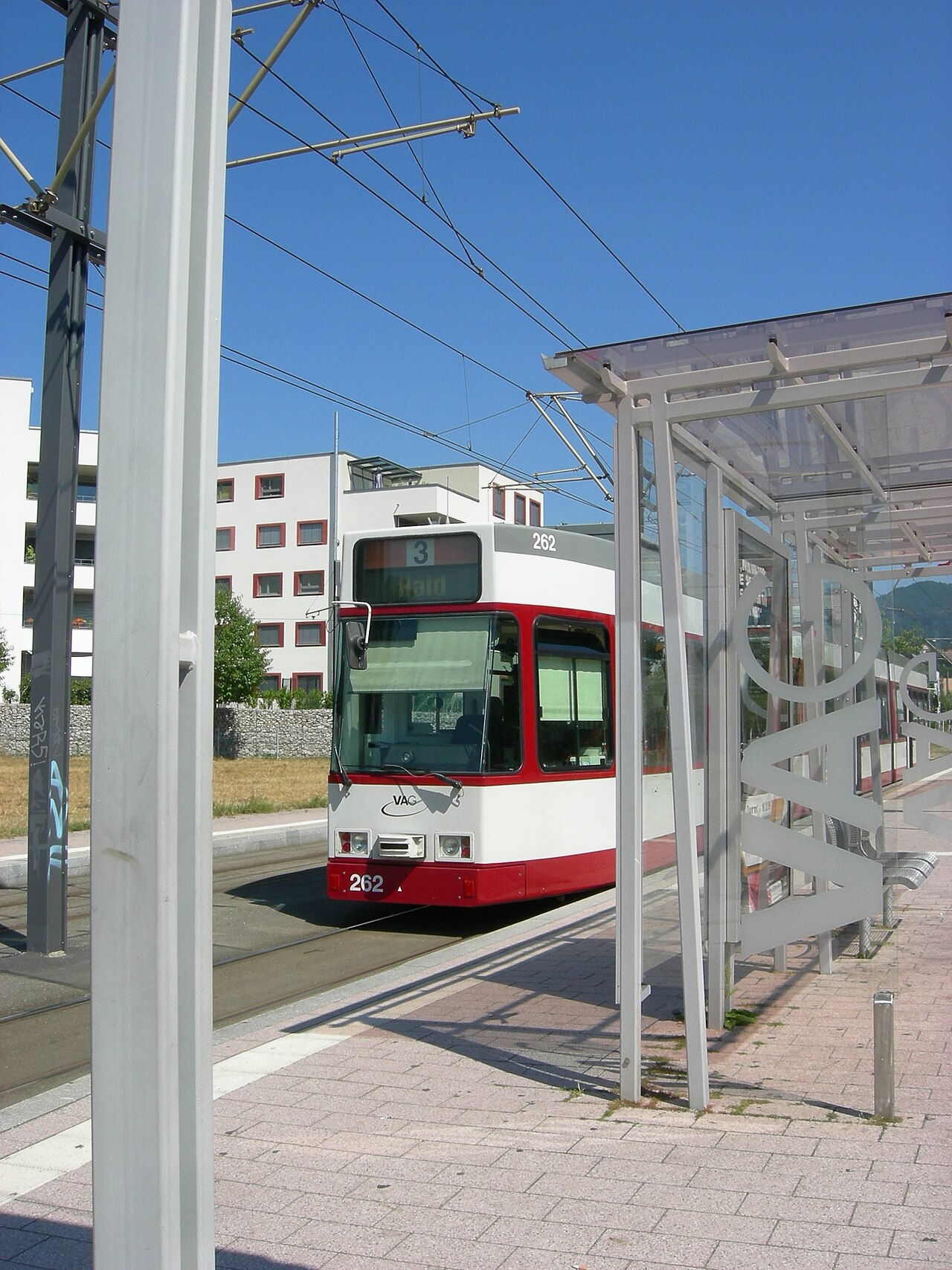
To make giving up a private car comfortable, the Freiburg city authorities provided alternatives in advance. Back during the active construction phase, a modern tram line was extended to Vauban, quickly connecting the eco-district to the historic city center and the main train station. Additionally, the entire district is crisscrossed with convenient bike paths, and shops, schools, kindergartens, and other amenities are within walking distance. Thanks to the absence of parked cars, Vauban's streets have transformed into safe play areas for children and green social spaces for neighbors.
Energy Efficiency and the Power of Community
The success of this eco-district relies not only on cutting-edge transport solutions, but also on the community's active participation in planning their living space. A significant portion of the buildings in Vauban was constructed through building cooperatives. Future neighbors joined forces as early as the conceptual stage, collectively hiring architects, pooling investments, and deciding what their apartments, courtyards, and shared recreational areas would look like. This approach not only made construction more affordable by cutting out developer margins, but also forged remarkably strong social ties. People knew their neighbors before the foundation of their building was even laid.
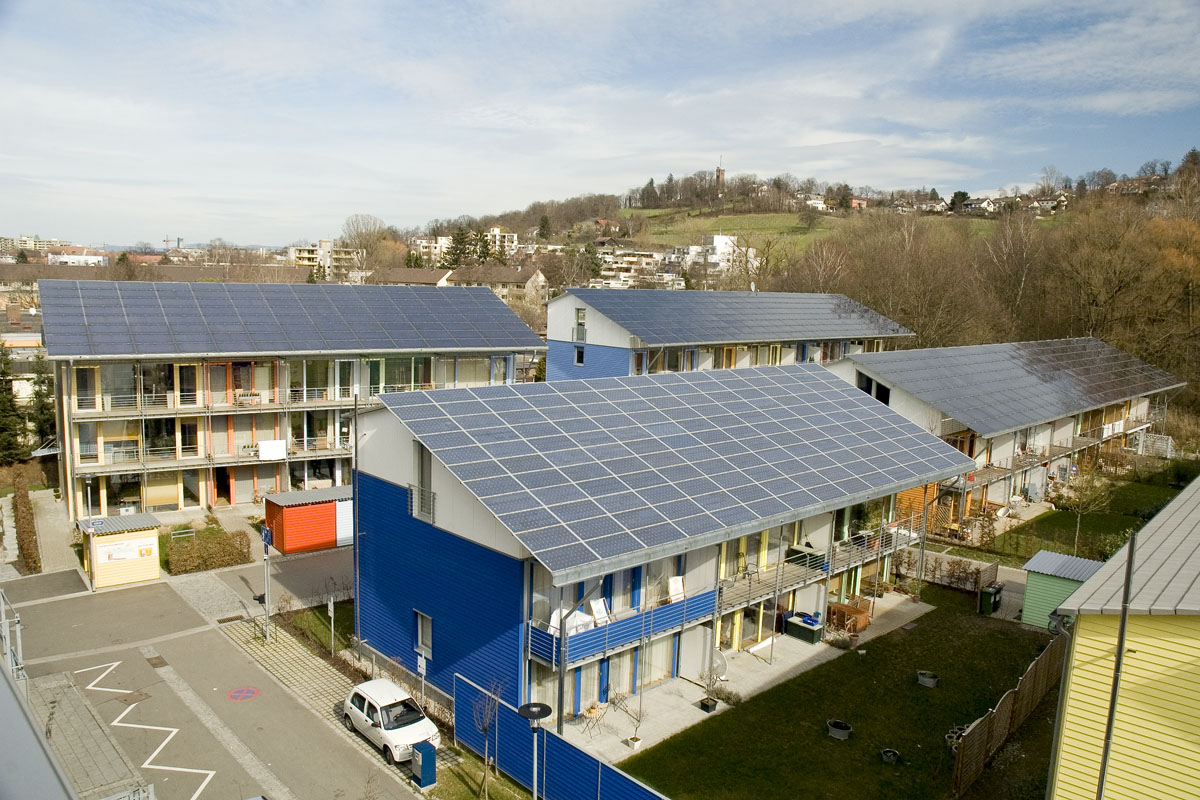
Another hallmark of Vauban is its uncompromising energy efficiency standards. All new buildings in the district meet strict environmental norms. A large portion of the housing stock consists of so-called passive houses, which require minimal energy for heating thanks to high-grade insulation and smart ventilation systems. Some buildings go even further, operating on the "plus-energy" standard: thanks to rooftop solar panels, they generate more electricity than the residents consume, feeding the surplus back into the municipal grid. Green roofs, rainwater harvesting systems for service needs, and the use of eco-friendly building materials make this district a true open-air laboratory for sustainable development.
Lessons for Ukrainian cities
- Prioritizing public transit before development. Launching the tram line in the early stages of the district's development allowed residents to immediately form sustainable transit habits, avoiding mass car purchases caused by a lack of alternatives.
- Moving parking to the periphery. Freeing residential streets from parked cars creates safe public spaces, encourages pedestrian mobility, and still preserves the option of car ownership for those who genuinely need it.
- Incentivizing building cooperatives. Involving future residents in the co-financing and design of their housing significantly increases the sense of responsibility for their neighborhood and fosters a cohesive local community.
- Integrating nature into the urban environment. Preserving existing mature trees during the revitalization of brownfield sites is a far more effective solution for residents' comfort than creating green spaces from scratch.