

London’s Congestion Charge system has become one of the world's most famous examples of how an unpopular political decision can fundamentally transform urban mobility. The introduction of this charge not only relieved the British capital’s historic streets of chronic traffic jams, but also created a stable source of funding for the development of public transport, making this experience extremely valuable for metropolises seeking ways to overcome transport crises.
Life in Constant Gridlock and Political Courage
By the early 2000s, central London was nearing the brink of transport collapse. The average speed of cars in the business and historic districts had dropped to the speed of horse-drawn carriages a century earlier. The city suffered daily from thick smog, colossal economic losses due to delivery delays, and the inability of emergency services to function properly—ambulances and fire engines simply got stuck in a continuous stream of metal. It became abundantly clear that simply widening roads or building new multi-level interchanges within the dense historic fabric was impossible and strategically flawed.
The city authorities at the time took a step unprecedented for such a large European city: making entry into the central zone paid. This initiative was met with tremendous public resistance. Motorists were outraged by the violation of their freedom of movement, business associations predicted capital flight and the decline of retail, and political opponents forecasted transport chaos at the boundaries of the charging zone. However, the city leadership assumed political responsibility, arguing their decision by stating that the right to use extremely limited urban space could not remain free if its excessive use harmed the vitality of the entire city.
The Mechanics of Paid Entry and Continuous Adaptation
Instead of building physical barriers or toll booths that would only create new bottlenecks on the approaches to the center, London relied on modern technology. The boundaries of the toll zone were marked with special signs and road markings, and the streets were equipped with a dense network of automatic recognition cameras. These cameras read the license plates of all vehicles crossing the boundary or driving within the zone. The system then automatically matches them against a database of those who have already paid the charge for the current day. Strict fines are imposed on violators, significantly exceeding the cost of the charge itself.
Payment is not charged based on mileage or duration of stay, but as a fixed daily rate: a driver pays once and can enter and exit the zone any number of times throughout the day. Importantly, the charge applies only during peak hours—primarily during the daytime. Over time, the rules adapted in response to changes in driver behavior: weekends were added, and charging hours were adjusted.
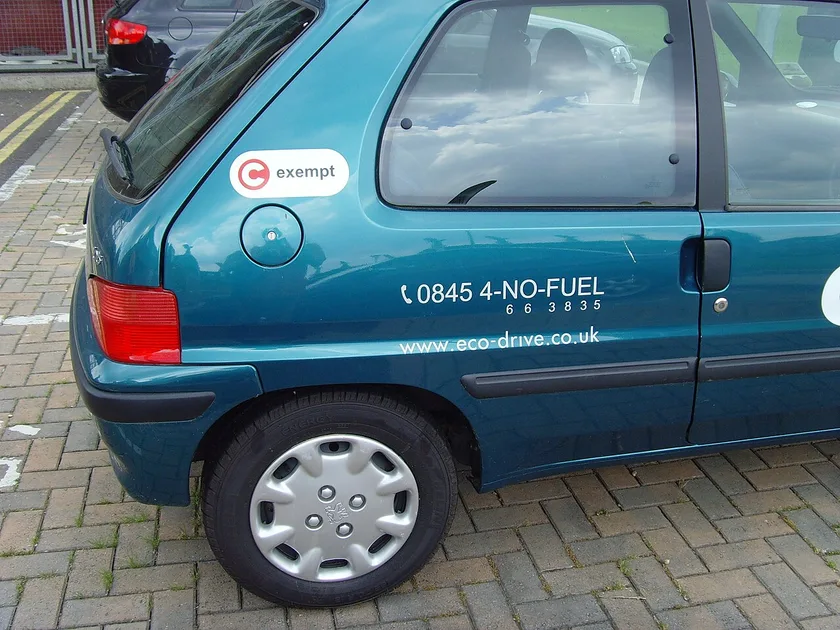
The system also includes a well-thought-out set of exemptions and discounts. Public transport, emergency vehicles, and vehicles for disabled individuals received free access. Residents of the charging zone itself received a massive discount, which helped alleviate much of the social tension during the project's launch phase.
Congestion Reduction and the Renaissance of Public Transport
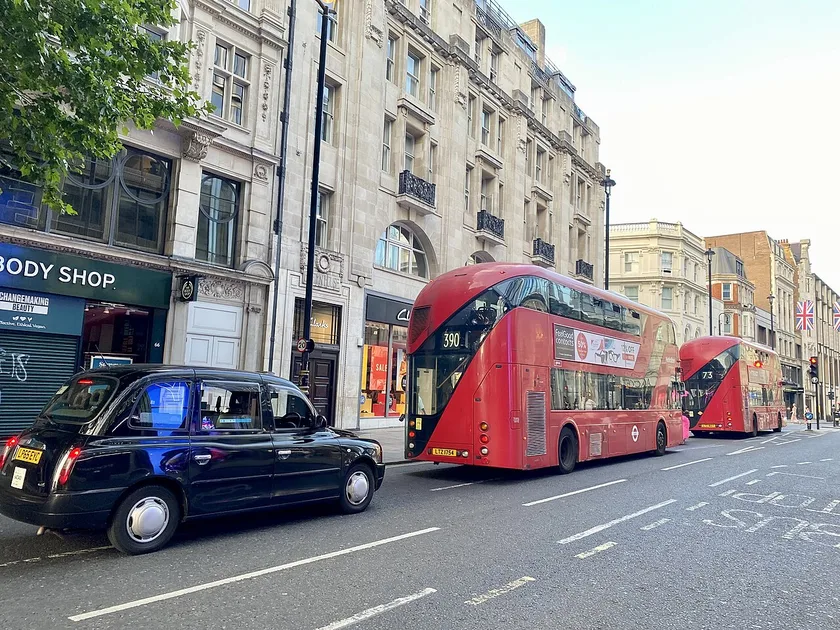
The main secret behind the success of the London case lay not so much in the collection of fees itself, but in where those funds were directed. From the very beginning, a strict rule was established: all net revenue from the Congestion Charge would go exclusively toward improving London’s transport infrastructure. This allowed the city to significantly upgrade its bus fleet, increase the number of routes, and boost service frequency prior to the system's launch.
The results became noticeable almost immediately. Traffic in the center decreased significantly, air quality began to improve, and travel speeds across the city increased. With fewer private cars on the road, buses were finally able to move quickly and strictly on schedule, making them an attractive alternative for many residents. Over time, the accumulated funds were actively invested in developing safe cycling infrastructure, transforming London into a much more comfortable city for people, not just cars.
Businesses, which initially protested the loudest, ultimately emerged as winners. Although there were fewer customers arriving in private cars, overall foot traffic on commercial streets increased. In addition, logistics, freight delivery, and service provision became much faster and more predictable due to the absence of severe gridlock. Over time, public support for the system among Londoners grew dramatically, and today it is perceived as an integral and logical part of city management.
Lessons for Ukrainian cities
- Alternatives must precede restrictions. The introduction of congestion pricing or the expansion of paid parking zones is impossible without first creating a reliable alternative in the form of comfortable, fast, and high-capacity public transport.
- Targeted reinvestment of funds. All revenue collected from drivers in the form of charges or fines must be transparently allocated to sustainable mobility (updating rolling stock, building cycle lanes), which serves as the primary argument for public consensus.
- Political will is more important than short-term approval ratings. Effective and necessary transport solutions always face initial resistance, so city leaders must be prepared for criticism to save the city from traffic congestion in the long run.
- Flexibility and reliance on technology. The traffic management system must rely on modern digital solutions without creating physical obstacles on the roads, and the rules of the game must be regularly reviewed in response to changing traffic conditions.