
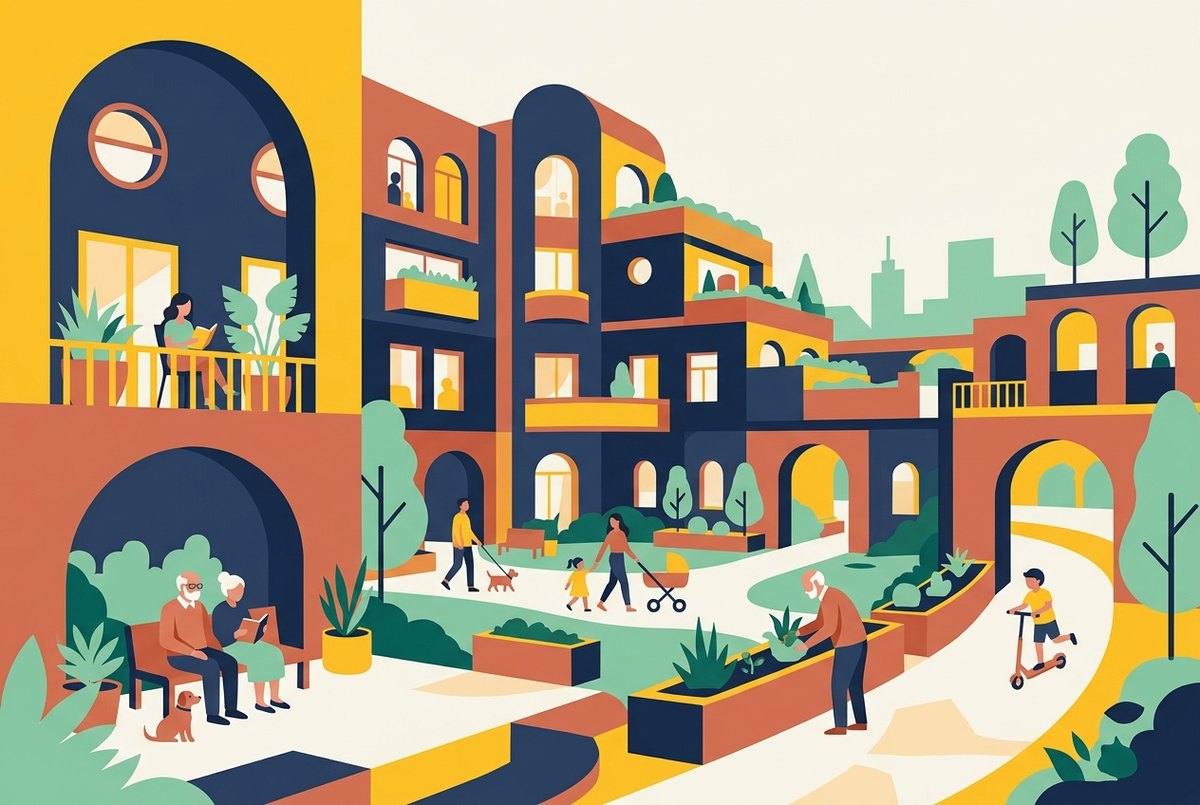
The Vienna social housing model is one of the world's most successful examples of how a city can provide its residents with affordable, high-quality apartments while avoiding the marginalization of entire neighborhoods. This century-long experience of transforming housing from a market commodity into a basic human right is particularly relevant for Ukraine, which faces unprecedented challenges in providing shelter for those who have lost their homes due to the war.
From Historical Foundations to Modern Philosophy
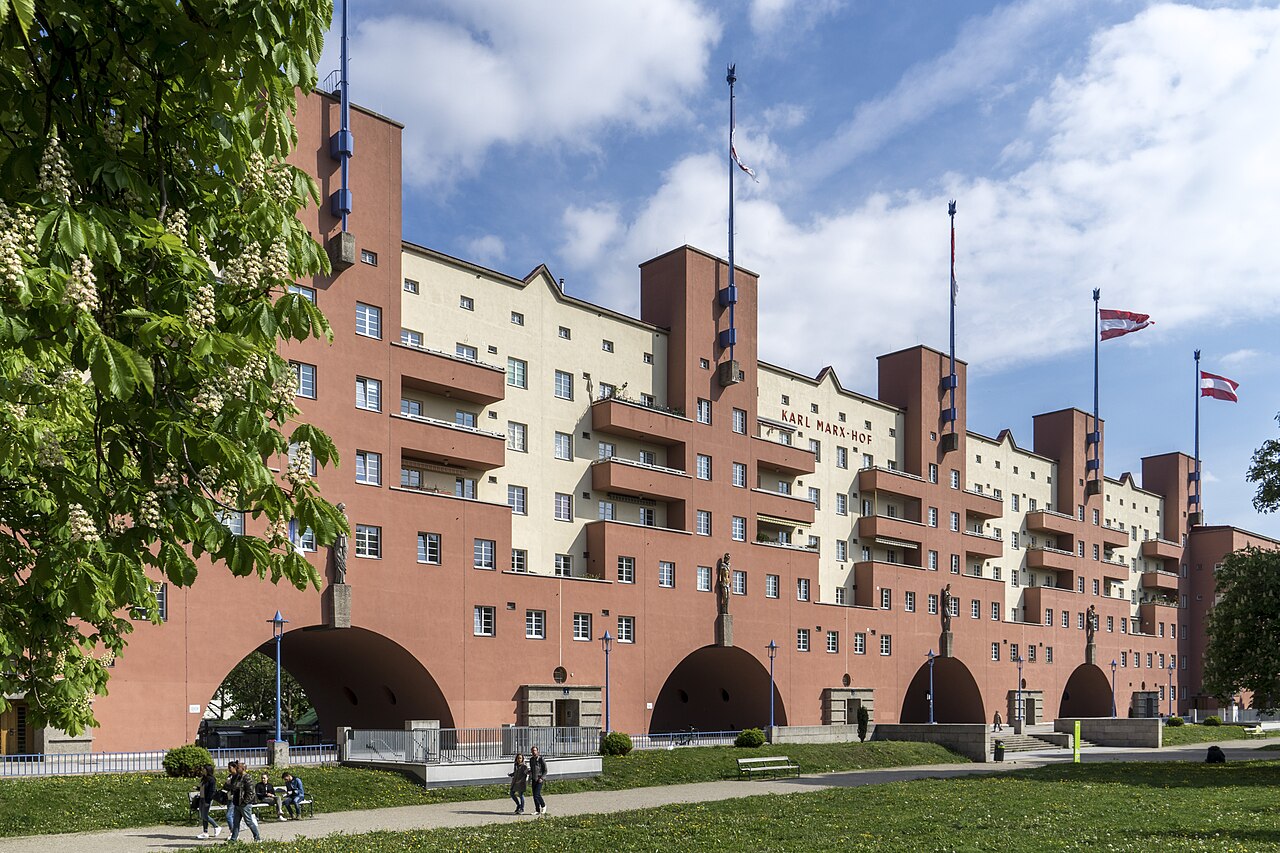
The municipal housing system in Austria's capital began taking shape after the end of World War I, when the city faced an acute housing crisis, overcrowding, and unsanitary conditions. It was then that the local government launched an ambitious construction program financed by the introduction of progressive luxury taxes. Instead of erecting cheap, temporary barracks for workers, the city began building large-scale residential complexes complete with green inner courtyards, laundries, kindergartens, and libraries.
This period established the core principle of Viennese housing policy: affordable housing must be high-quality and serve as an instrument of social equality. Over the following decades, the city did not abandon this philosophy; it did not privatize its housing stock during the era of neoliberal reforms and continued to invest in development. Today, the municipality is the city's largest landlord, and a significant portion of Viennese residents live in apartments that are fully or partially controlled and subsidized by the city government.
Destigmatization and the Social Mix
One of the greatest challenges of social housing in many countries worldwide is ghettoization—the gradual transformation of such areas into pockets of poverty and crime. Vienna successfully avoids this through the concept of the "social mix." The right to live in municipal or subsidized housing is granted not only to the least affluent segments of the population, but also to a broad middle class. The upper income limit to qualify for such an apartment is set at a fairly high level.
Because of this, teachers, nurses, students, artists, and service sector workers can all live in the same building. This removes any stigma from the concept of "social housing"—in Vienna, living in it is considered the norm rather than a sign of personal failure. Furthermore, rent in such housing is not tied to market speculation; it is calculated based on the actual costs of construction and building maintenance, guaranteeing stability for residents and protecting them from sudden eviction.
Land Control and Architectural Quality
The success of the Vienna model is impossible without the city's active land policy. The municipality maintains a dedicated fund that systematically purchases land plots, creating a reserve for future projects. When the city allocates land for new development, it does not simply sell it to the highest bidder, but organizes rigorous competitions among developers.
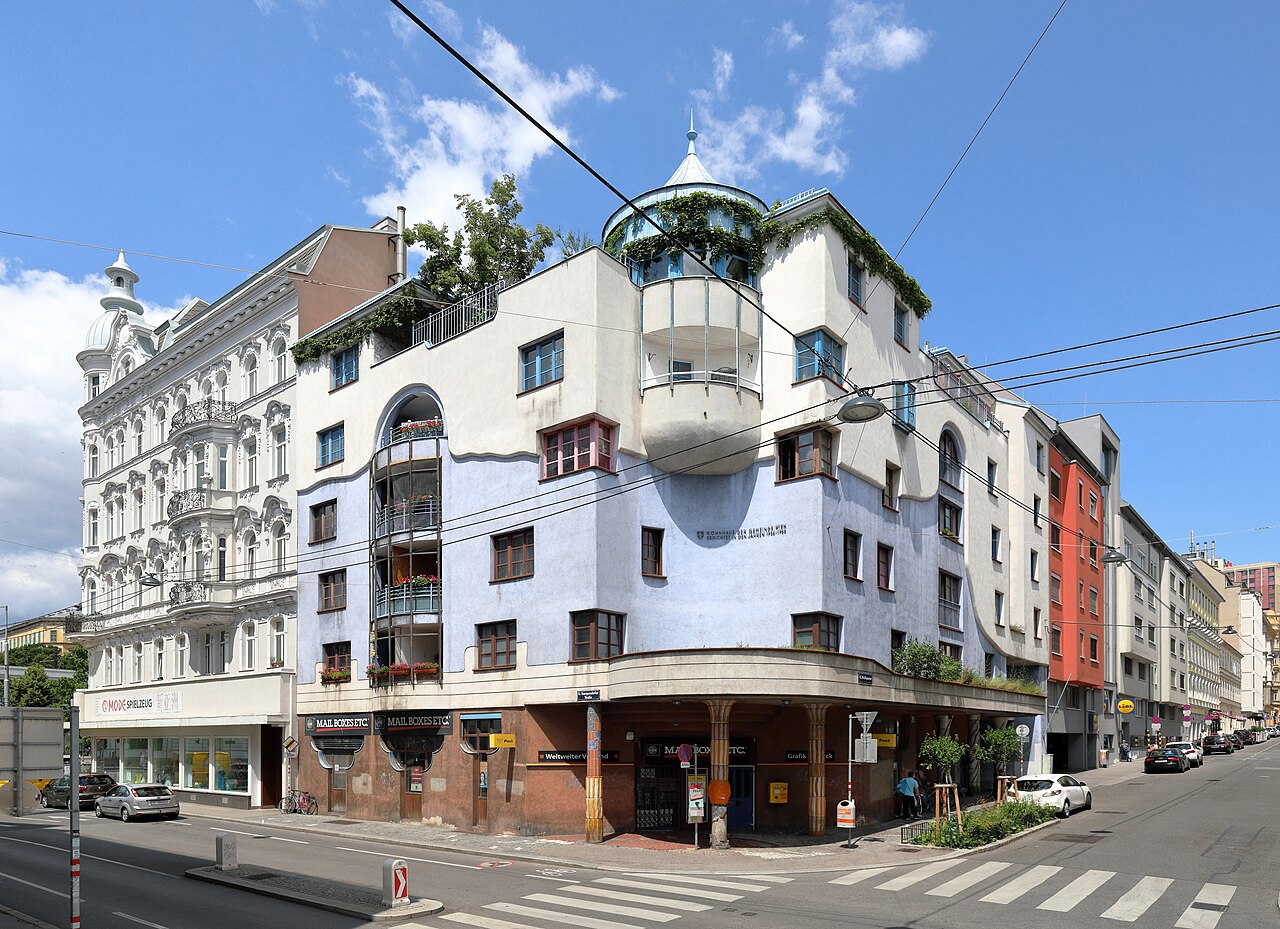
To win construction rights and city subsidies, developers compete not only on the project's economic viability. Evaluations are based on several equally weighted criteria: architectural quality, environmental sustainability, and social sustainability. This means that new subsidized buildings must feature modern design, high energy efficiency, well-planned public spaces on the ground floors, and convenient access to public transit stops. Such an approach fosters innovation and proves that affordable housing can enhance a city rather than become an architectural flaw.
Lessons for Ukrainian cities
- Housing as infrastructure, not just a commodity. Cities should develop their own land banks and establish municipal housing funds that remain publicly owned and are offered for long-term lease, curbing speculative price growth on the market.
- Integration instead of isolation. When designing housing for internally displaced persons and vulnerable groups, it is crucial to avoid creating isolated settlements on city outskirts, integrating such projects into the existing urban fabric instead to ensure a social mix.
- High quality standards as an investment. Even under tight budget constraints, social housing should be built in accordance with modern energy efficiency and architectural standards, as this significantly reduces the city's operational costs in the long run.
- Development of alternative models. Ukrainian cities should encourage the creation of non-profit housing cooperatives by providing them with land on preferential terms in exchange for commitments to cap rent and maintain social infrastructure.