
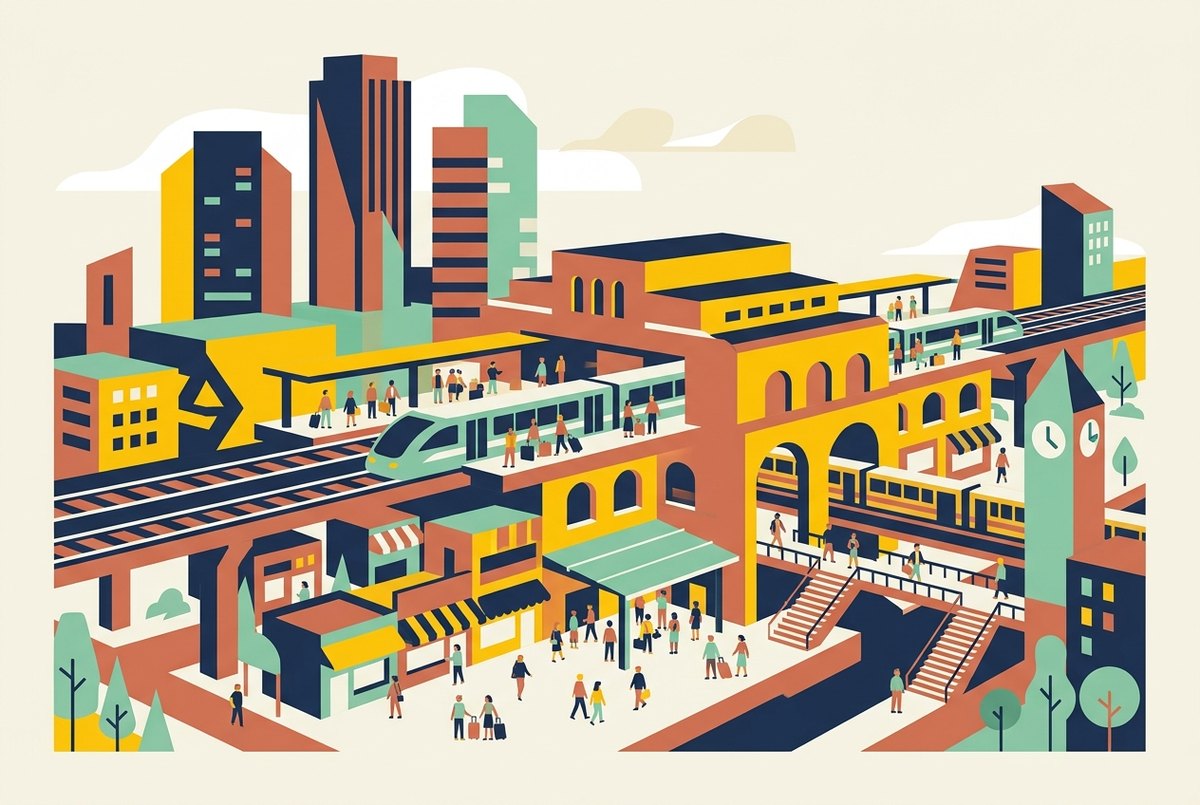
Tokyo's experience demonstrates how railway infrastructure can become not merely a transport artery, but the main driver of spatial, social, and economic development for a vast metropolis. This case is unique in that the city intentionally developed around transit hubs for decades, avoiding the complete motorization typical of many Western cities and creating one of the most efficient urban environments in the world. For Ukrainian cities that are currently seeking ways to optimize mobility and overcome traffic congestion, Tokyo's model of transit-oriented development serves as a benchmark for the successful integration of public transport and comprehensive urban planning.
The Station as a New Urban Center of Gravity
In most cities around the world, a railway station is a purely utilitarian place that passengers try to leave as quickly as possible upon arrival. In Tokyo, however, a station is a full-fledged center of urban life, bustling with activity. Historically, rapid population growth and urbanization demanded ultra-efficient solutions for moving millions of people daily. Instead of cutting wide highways through dense historic development, the city made an uncompromising bet on the development of rail transport.
Robust business, commercial, and entertainment clusters began to take shape around key interchange hubs. Today, the districts of the Japanese capital are virtually identified by station names, and the urban landscape resembles a mountain range: the tallest skyscrapers and highest building densities are concentrated within walking distance of the platforms, while further away from the stations, building heights gradually decrease, transitioning into quiet residential neighborhoods. This is a classic and perhaps the world's most massive example of Transit-Oriented Development, where spatial planning is entirely subordinated to the logic and geometry of public transportation.
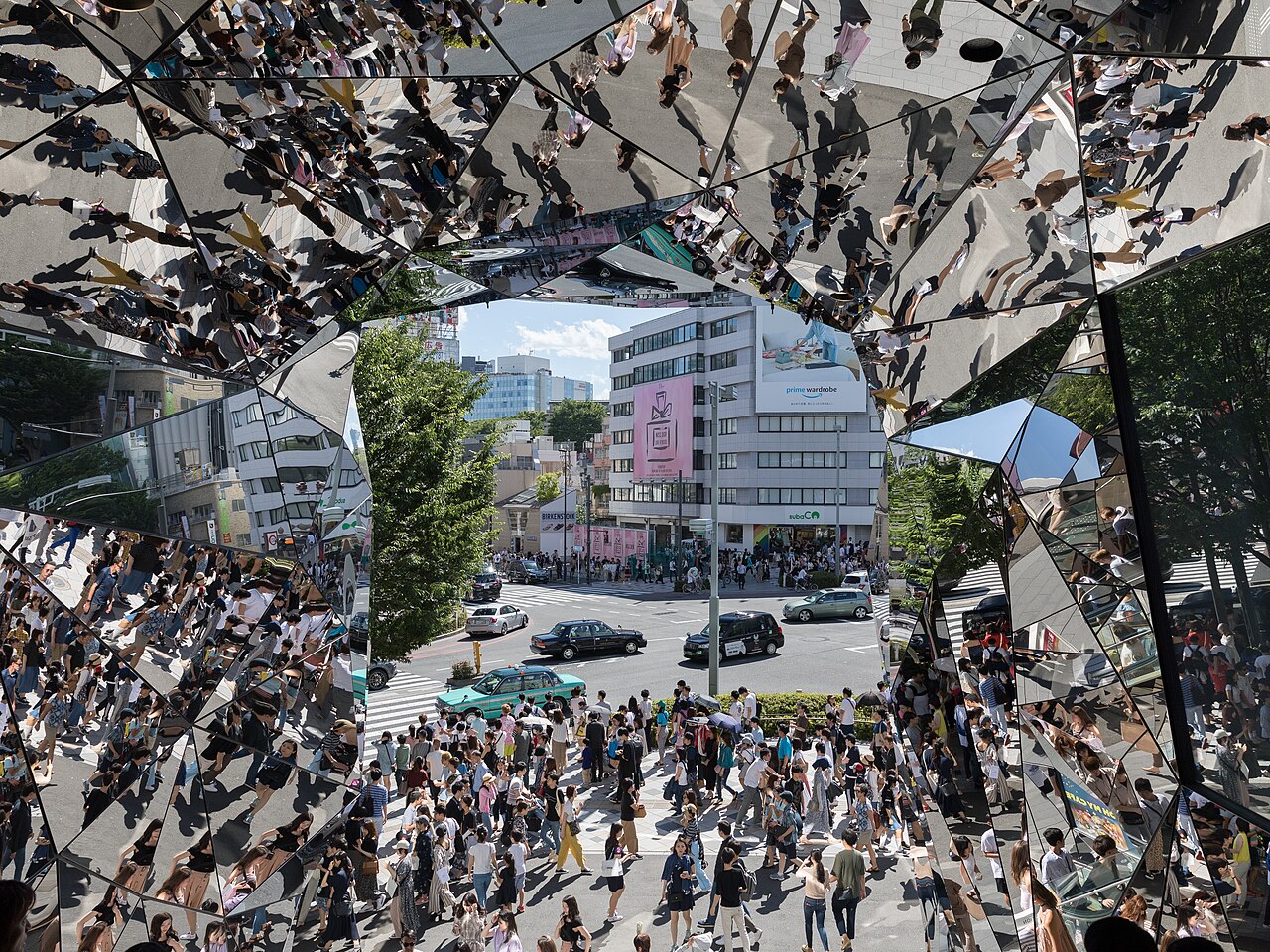
Synergy of Private Capital and Infrastructure
One of the main and most fascinating features of the Tokyo model is the exceptionally significant role of private railway companies in shaping the city. Unlike many European countries, where the railway is traditionally viewed as a loss-making industry almost entirely subsidized by the state, in Japan, a substantial portion of the suburban and urban network was developed by private enterprise.
These companies used a spatial model that was innovative for its time: they purchased relatively inexpensive land plots on the outskirts, laid railway tracks to them, and then developed the surrounding areas themselves. Railway operators erected housing estates, opened their own department stores directly above stations, built office centers, and even cultural institutions. In this way, the companies generated a guaranteed and continuous passenger flow for themselves. People lived in buildings constructed by the railway companies, commuted to work daily on their trains, and spent money in their supermarkets. This cross-subsidization business model made it possible to fund the continuous modernization of transport infrastructure through profits from real estate and retail, without overburdening the municipal budget.
Seamless Mobility and Human-Centered Design
The Tokyo railway does not exist in a vacuum—it is deeply integrated into an exceptionally complex yet user-friendly urban mobility ecosystem. The largest stations handle massive crowds daily, so they are designed to ensure that transfers between different railway lines, the city subway, and bus routes are as fast and intuitive as possible.
Immense attention is paid to pedestrian infrastructure and accessibility. Multi-level walkways, extensive underground concourses, and covered elevated walkways connect stations with neighboring buildings on various levels. A passenger can exit a train, walk through a shopping center, and arrive directly at their office without stepping outside once, which is particularly valuable during heavy rain or intense heat. Even the space under elevated railway viaducts, which becomes marginalized areas in many cities, is actively commercialized in Tokyo: cafes, shops, coworking spaces, and safe public areas are arranged there.
In addition, large-scale, often automated park-and-ride bicycle parking facilities are established near every station. This encourages residents of more distant neighborhoods to use bicycles to reach the nearest transport hub, effectively solving the "last mile" problem. Thanks to such comprehensive infrastructure, owning a private car in the city becomes an expensive inconvenience rather than a daily necessity.
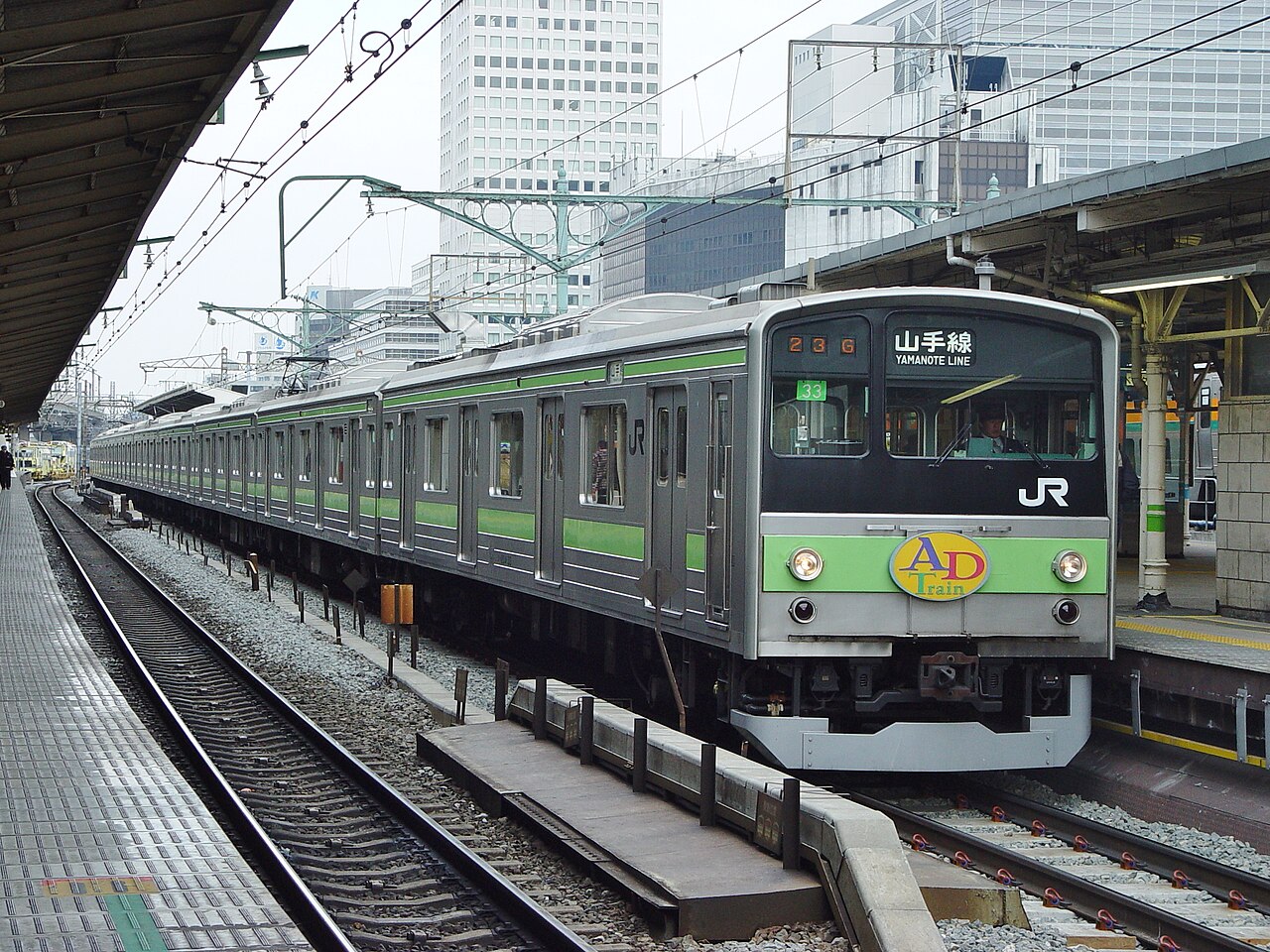
Lessons for Ukrainian cities
- Synchronization of transport and urban development. Permits for new large-scale residential or commercial construction should be granted only with consideration of existing public transport capacity, and new neighborhoods must be designed around transit hubs.
- Diversification of transport enterprise revenue. Municipal carriers and infrastructure operators can generate income not only from ticket sales, but also from the commercial development of areas around stations, leasing space, and integrating retail.
- Priority of pedestrian accessibility and seamlessness. The design of interchange hubs must focus on pedestrian comfort, intuitive navigation, accessibility, and creating safe, covered walkways between different modes of transport.
- Revitalization of spaces around transport infrastructure. Areas under bridges, elevated tracks, and along railway lines have immense potential for creating public spaces and commercial properties, instead of remaining exclusion zones.