
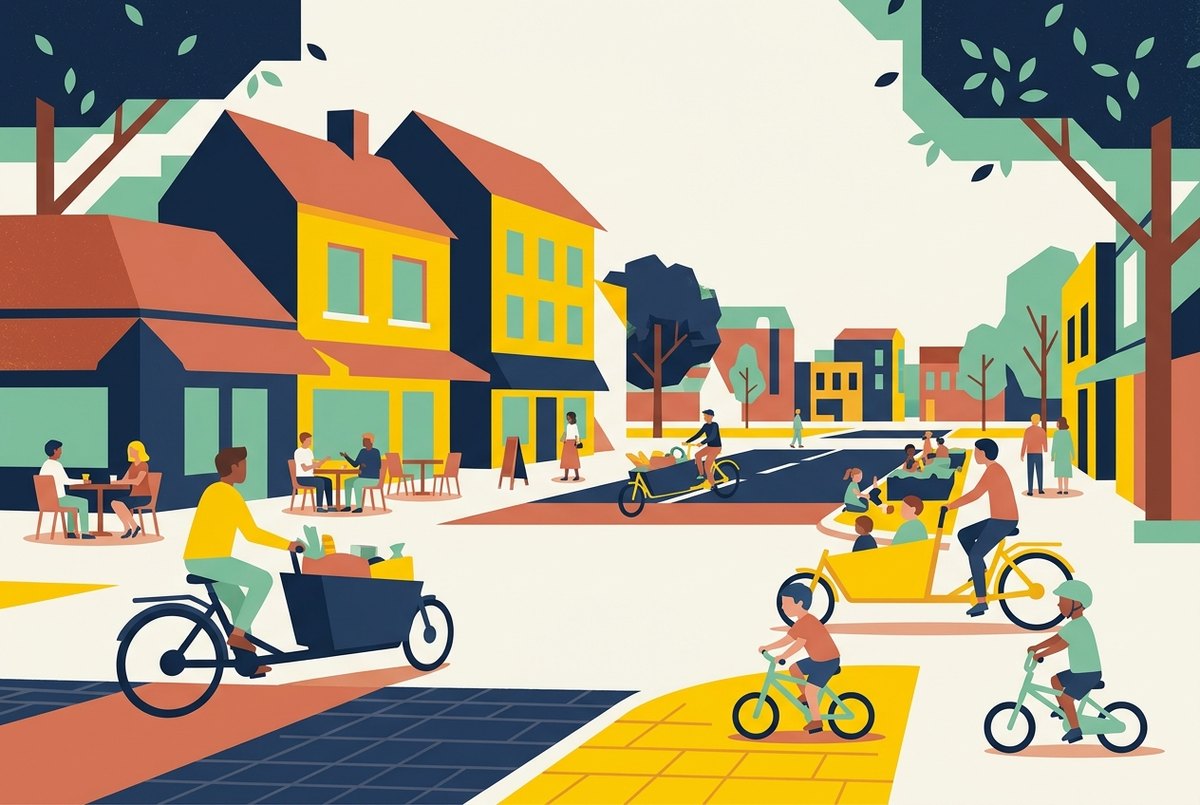
Oslo's experience demonstrates how targeted urban policies can transform a polluted city center into a safe space where priority is given to pedestrians and cyclists. This case study is extremely important for modern urbanism, as it proves in practice that freeing streets from cars is possible without traffic gridlock, provided that actions are consistent and convenient alternatives are offered to residents.
An Evolutionary Approach Instead of a Total Ban
When the authorities of the Norwegian capital first publicly announced their intention to make the city center free of private cars, the idea met with considerable resistance. Local entrepreneurs, shop owners, and restaurateurs seriously feared a sharp drop in revenue due to an outflow of customers accustomed to driving in for shopping. In response to this criticism and public backlash, the municipality decided to change tactics. Instead of a formal and rigid ban on entry using barriers or checkpoints, the city chose a more flexible strategy. Its essence was to create conditions under which driving a car in the city center became economically and practically inconvenient.
The main tool of this soft transformation was the systematic elimination of on-street parking spaces. Over the course of several years, the vast majority of legal parking spots for private vehicles were removed from the streets of central Oslo. The few remaining parking areas were repurposed exclusively for people with disabilities, delivery services, taxis, and emergency vehicles. Thus, while there was no physical ban on entering the city center, the lack of anywhere to park made such trips pointless for most drivers. In addition, the city changed traffic directions on many streets, creating so-called "loops" that made through-transit across central neighborhoods impossible.
New Life for Reclaimed Space
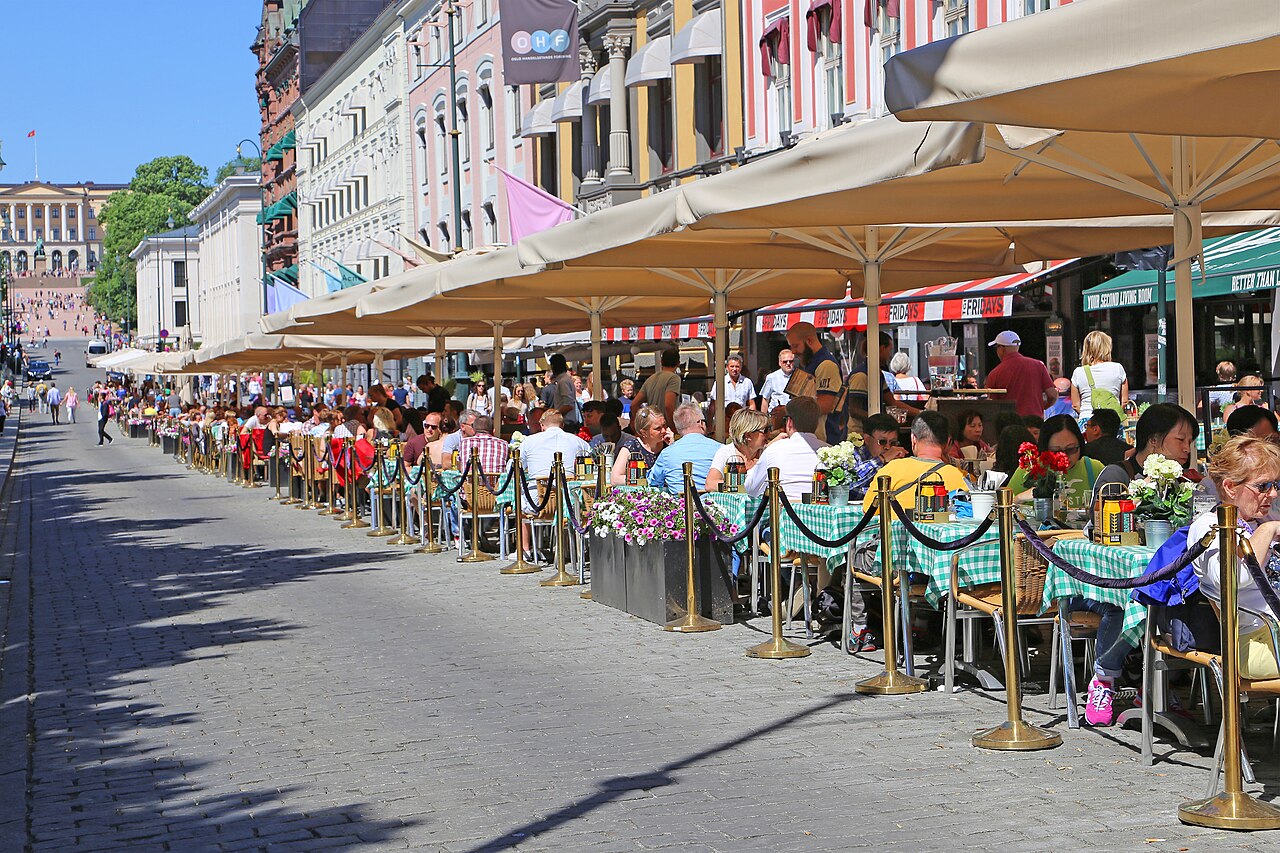
The process of phasing out cars was accompanied by an active rethinking and redesign of urban space. The municipality clearly understood that the square meters freed from parking could not remain empty asphalt; otherwise, the reform would fail to gain the support of the residents. These areas were immediately integrated into the pedestrian and cycling infrastructure, using both major structural changes and rapid tactical urbanism methods.
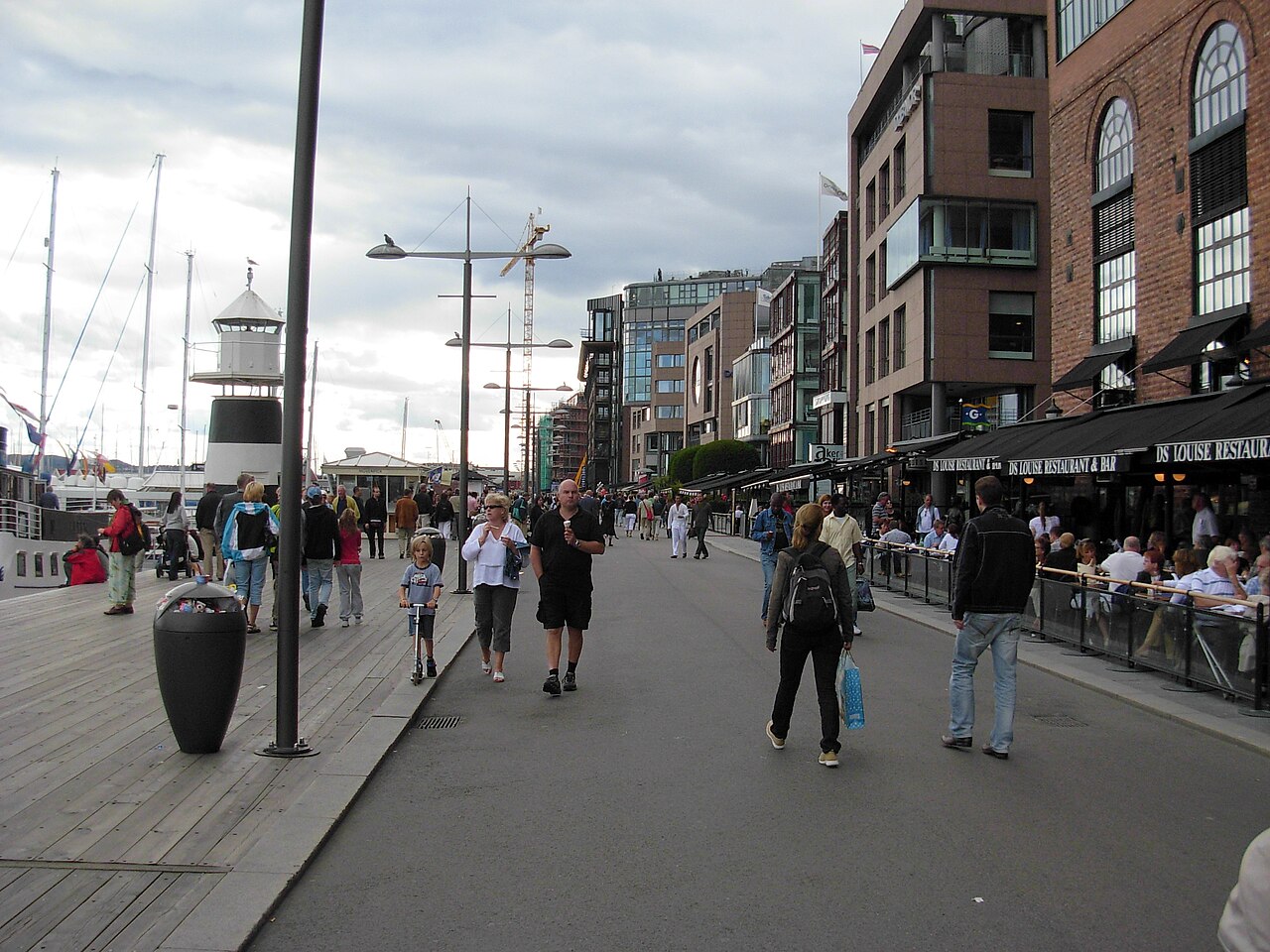
Former parking spots turned into wide sidewalks, protected bike lanes, pocket parks, and comfortable relaxation areas. The streets gained new potted greenery, comfortable street furniture, drinking fountains, and bicycle racks. City authorities actively engaged local businesses in utilizing these new spaces. Cafes, bars, and restaurants were able to significantly expand their outdoor seating areas. This not only offset entrepreneurs' initial fears of potential financial losses, but also substantially revitalized street life. Thanks to this smart spatial redistribution, downtown Oslo became much more attractive for leisurely strolls, social interactions, and spending free time. As a result, pedestrian traffic increased significantly, which had a positive impact on retail and services.
Alternative Mobility and Smart Logistics
The success of central Oslo's transformation would have been impossible without the parallel and robust development of alternative modes of transportation. Restrictions on drivers were introduced in sync with improvements in public transport quality. The city invested heavily in expanding the route network, increasing service frequency, and improving the comfort of rolling stock. Trams, buses, and the metro became more reliable and faster, which naturally encouraged residents to abandon daily trips in private cars. In parallel, a connected and safe cycling infrastructure was established, and the city bike-sharing network was expanded, including electric bikes, which are especially useful given the city's topography.
Organizing goods delivery to commercial establishments in the city center was a distinct and critical challenge. To avoid gridlock caused by delivery trucks, Oslo implemented a micro-logistics concept. Special transshipment hubs were established on the outskirts of the central zone. Large trucks deliver goods to these hubs, from where they are distributed directly to shops and cafes using small, eco-friendly electric vans or cargo bikes. Unloading times were also strictly regulated by the municipality, mostly during early morning hours, so that large vehicles would not cross paths with pedestrian and cyclist flows during the busiest parts of the day. These measures also directly contributed to a sharp drop in accidents and an overall increase in street safety.
Lessons for Ukrainian cities
- Gradual progress and "soft power" are more effective than radical bans. Instead of installing barriers, it is better to gradually reduce the number of parking spaces and alter traffic patterns, making transit and parking in the city center extremely inconvenient for private cars.
- Reclaimed space requires immediate reimagining. Areas previously occupied by cars should immediately be filled with new purpose: bike lanes, street furniture, greenery, or outdoor patios, so that citizens immediately feel the benefits of the changes.
- The development of alternatives must stay one step ahead. Restrictions on car use can only work successfully if there is sustained investment in reliable public transit and convenient micromobility infrastructure.
- Dialogue with business and logistics adaptation. Entrepreneurs' fears of losing revenue are natural, so the municipality must offer clear solutions for goods delivery and visibly demonstrate the economic benefits of increased foot traffic.