

The Finnish capital, Helsinki, has become virtually the only city in the world to have almost completely eliminated street homelessness thanks to the Housing First approach. The essence of this model lies in providing unconditional permanent housing without prerequisites regarding employment or sobriety, fundamentally transforming the traditional social assistance system. For Ukrainian cities facing unprecedented migration and social challenges, this experience offers an effective mechanism for integrating vulnerable population groups.
Paradigm Shift: From Temporary Shelters to a Home of One's Own
The traditional system for tackling homelessness, which operated for decades across Europe and the world, was largely built on a "staircase" model. An individual had to gradually prove their readiness for independent living: first a temporary night shelter, then a transitional hostel, mandatory job searches, verified addiction treatment, and only at the very end of this long journey—an apartment of their own. Helsinki abandoned this approach, recognizing it as ineffective. Local experts realized that expecting someone to overcome deep psychological or medical issues while sleeping rough in conditions of constant stress was an unrealistic expectation.
Instead, the city decided to reverse the system's logic and provide people with housing immediately. Within the Housing First program, an apartment is viewed not as a reward for good behavior or successful rehabilitation, but as a basic human right and an essential foundation for any positive change. With active support from the state and specialized organizations, the municipality began phasing out traditional night shelters en masse, converting them into modern apartment buildings with individual living units. Every new resident receives a standard lease agreement, their own keys, and inviolable personal space, instantly restoring a sense of dignity, stability, and basic security.
Decentralization of Housing Stock and Urban Planning
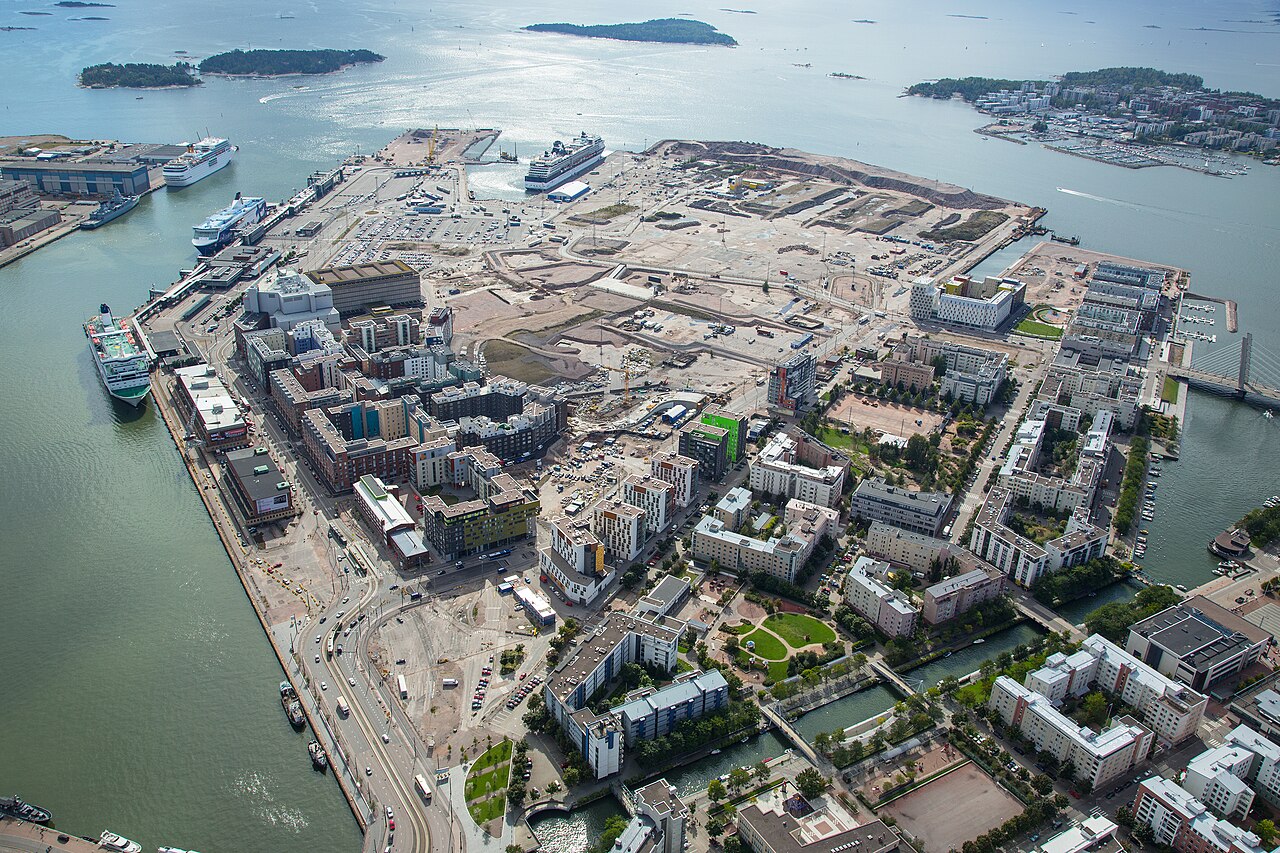
An essential component of Housing First's success in Helsinki is its smart spatial development policy. The municipality deliberately avoids concentrating social housing in a single area to prevent the creation of marginalized enclaves. Social apartments are purchased or built across various parts of the city, fostering natural inclusion and the mixing of different social strata.
To secure the necessary housing stock, the city works closely with private developers. A standard practice requires that a certain proportion of apartments in new residential developments be allocated or sold at subsidized rates for social housing needs. In addition, municipal authorities actively buy up apartments on the secondary market. This decentralized approach allows new residents to integrate more easily into the community, access general urban infrastructure, and avoid facing social stigma.
Social Support as an Integral Element
Handing over the keys to an apartment is only the initial stage of the program. The true effectiveness of the Finnish model lies in the fact that, along with a roof over their head, an individual receives comprehensive yet unobtrusive support. Helsinki utilizes two main housing formats: scattered individual apartments across conventional residential neighborhoods, and specialized buildings with a permanent staff presence.
In buildings converted for the program's needs, multidisciplinary teams of specialists operate on the ground floors. These include social workers, psychologists, medical personnel, and financial and legal counselors. They assist new residents in adapting to independent life: recovering lost documents, applying for statutory social benefits, learning to manage a personal budget, or finding manageable employment.
At the same time, seeking assistance remains voluntary. Even if an individual has severe addictions and is not ready to quit immediately, they do not lose their housing. Specialists work according to harm reduction principles. Helsinki's experience has convincingly proven that once placed in a stable environment without the daily struggle for survival, people are far more likely to initiate treatment on their own and gradually return to active community life.
The Economic Feasibility of a Humane Policy
At first glance, expanding social housing stock might seem like an overly expensive burden on the city budget. However, detailed long-term analysis of the Finnish experience proves the opposite: the Housing First program has proven to be far more cost-effective than traditional methods of responding to the issue.
When an individual lives on the street for an extended period, the city spends substantial resources daily on emergency services. This involves frequent ambulance calls, prolonged hospital stays due to exacerbated illnesses, regular police interventions, judicial expenses, and the maintenance of a network of temporary shelters. Providing permanent housing significantly reduces these hidden yet massive costs. Investments in constructing and acquiring apartments pay off through a drastic reduction in the strain on the healthcare and law enforcement systems. Furthermore, over time, some program participants successfully find employment, begin paying a portion of their rent and taxes independently, and transition from aid recipients into active contributors.

Lessons for Ukrainian cities
- Abandoning temporary solutions in favor of permanent ones. Modular towns, dormitories, or collective centers for internally displaced persons can only serve as a short-term step, whereas a city's long-term strategy must focus on creating permanent, fully-fledged municipal housing.
- Housing as a foundation, not a reward. Providing a roof over the heads of vulnerable categories of the population (people who have lost their homes, veterans in difficult circumstances) should not be burdened with rigid preconditions regarding immediate employment or flawless behavior.
- Integrating social services into residential spaces. Providing an apartment must necessarily be accompanied by accessible, voluntary psychological, legal, and social support directly within the community.
- Preventing spatial segregation. Social housing must be evenly distributed across different districts of the city, avoiding the creation of isolated quarters, which will facilitate the natural integration of new residents into society.