
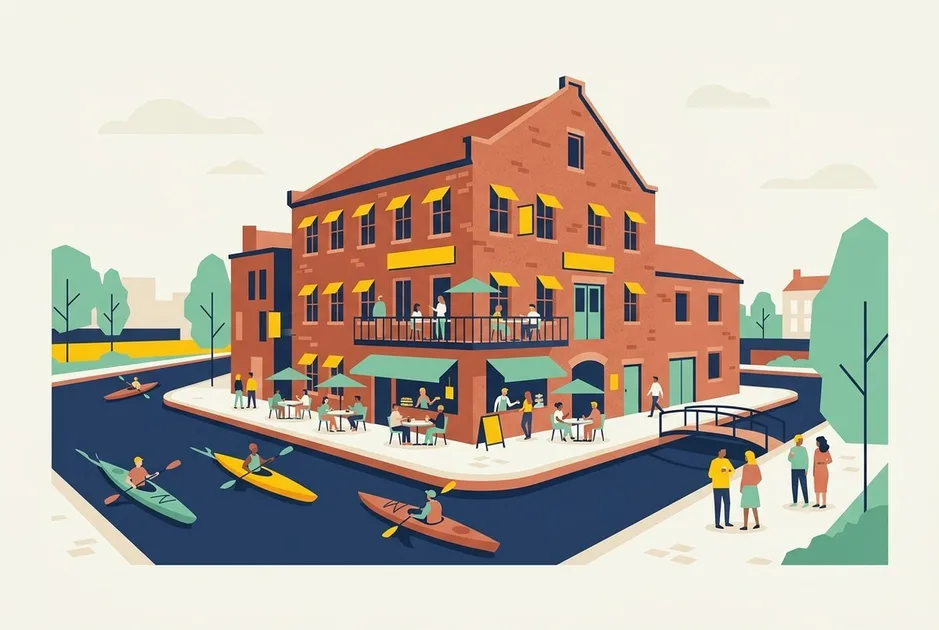
Following German reunification, Leipzig faced a massive population outflow and industrial decline, turning into a typical shrinking city. However, instead of ignoring the problem, local authorities and the community transformed vacant spaces into a resource for development, attracting the creative class and new investments. This experience proves that demographic decline is not a death sentence, but can serve as a catalyst for a qualitative reset of urban space.
From Decline to the Concept of the "Perforated City"
In the first years after the fall of the Berlin Wall, Leipzig experienced rapid deindustrialization. Major enterprises shut down, and people migrated en masse to the western regions of the country in search of jobs and a better quality of life. The consequence was an unprecedented level of vacant real estate: entire historic residential blocks stood deserted, while abandoned industrial zones turned into depressing wastelands. The city lost a significant portion of its residents over a few decades, jeopardizing the maintenance of basic infrastructure.
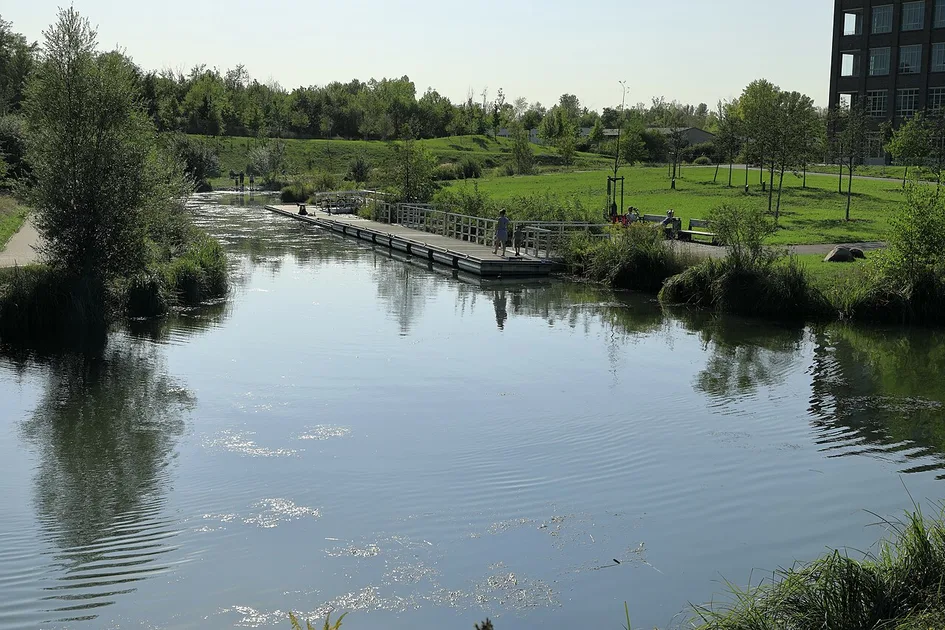
Faced with this reality, Leipzig's municipal authorities made a difficult yet strategically sound decision: to accept the fact of shrinkage. Instead of continuing to build new neighborhoods on the outskirts in anticipation of mythical growth, urban planners focused on preserving the historic core and densifying the city center. They developed the concept of the "perforated city." Its essence lay in the targeted demolition of dilapidated and irreparable buildings. In place of the resulting "holes" in the urban fabric, rather than erecting new housing, they created green spaces, pocket parks, and public areas. This made it possible to thin out overly dense old development, improve the environmental situation, and reduce utility maintenance costs.
Guardian Houses and the Creative Revolution
The greatest challenge for Leipzig was preserving its architectural heritage. Thousands of apartments in Gründerzeit-era buildings remained vacant and were gradually decaying, as it was economically unviable for owners to renovate them. Civic organizations, in cooperation with the municipality, then devised an innovative mechanism—"guardian houses" (Wächterhäuser).
The idea was based on a mutually beneficial exchange between property owners and proactive residents. Owners provided vacant buildings for use for several years free of rent. In return, the new occupants—artists, students, civic activists, or small entrepreneurs—committed to maintaining the building in proper condition, carrying out basic repairs, protecting it from vandals, and paying utility bills.
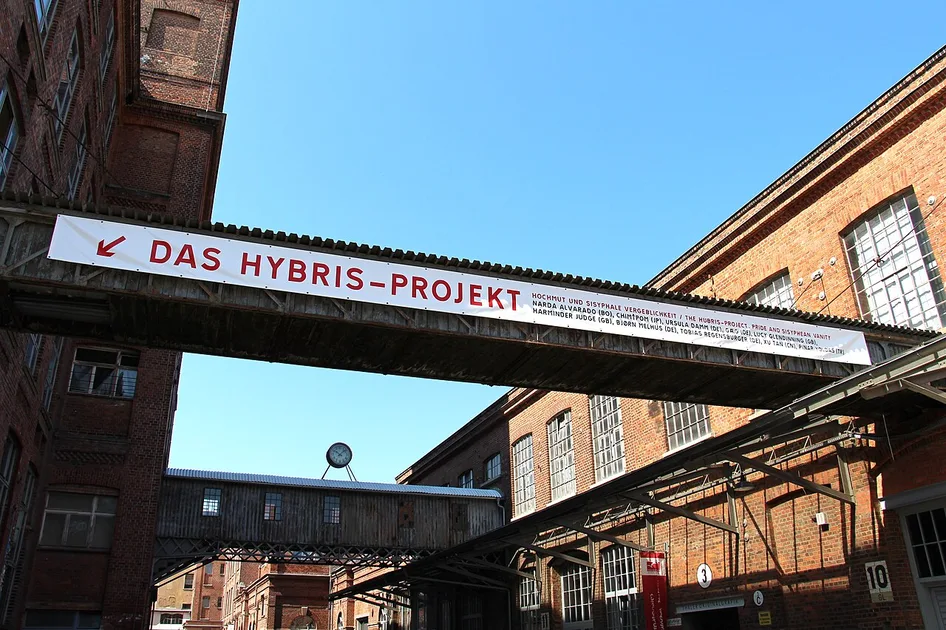
This initiative saved hundreds of historic buildings from demolition. Moreover, the availability of abundant cheap space triggered a true boom in the creative industries. Leipzig became a magnet for young people and artists not only from Germany, but from across Europe, who were looking for an alternative to an overly expensive Berlin. Galleries, workshops, and coworking spaces opened in former factories, radically transforming the city's image into one of the country's most dynamic cultural hubs.
Economic Revival and New Challenges
The cultural resurgence and improved quality of the urban environment laid the groundwork for economic recovery. The reputation of a creative, livable city rich in parks and historic architecture attracted the attention of major capital. Gradually, global corporations—particularly automotive and logistics giants—began establishing branches and manufacturing plants in and around Leipzig.
The return of major business meant the creation of new jobs, which in turn halted the demographic decline. The city began to grow once again. Today, Leipzig is considered one of the world's most successful examples of urban revitalization. Naturally, this new growth brought new challenges, such as gentrification and steadily rising housing costs; however, it was precisely the sound management of shrinkage that enabled the city to survive its hardest times and pave the way for its modern prosperity.
Lessons for Ukrainian cities
- Accepting reality is the foundation of strategy. Instead of planning for unrealistic growth, cities should adapt their master plans to actual demographic trends, focusing on quality of life rather than expanding their boundaries.
- Vacant spaces are a resource, not just a burden. Abandoned real estate can become a powerful driver of the local economy if preferential access is granted to the creative class, small businesses, or civic initiatives.
- A flexible approach to urban planning. Demolishing irreparable buildings and converting these plots into green spaces helps improve the microclimate and makes neighborhoods more attractive to remaining residents.
- Cooperation is more important than strict regulation. Successful revitalization is impossible without dialogue between the municipality, private property owners, and an active community, with local authorities acting as a mediator and guarantor of agreements.