
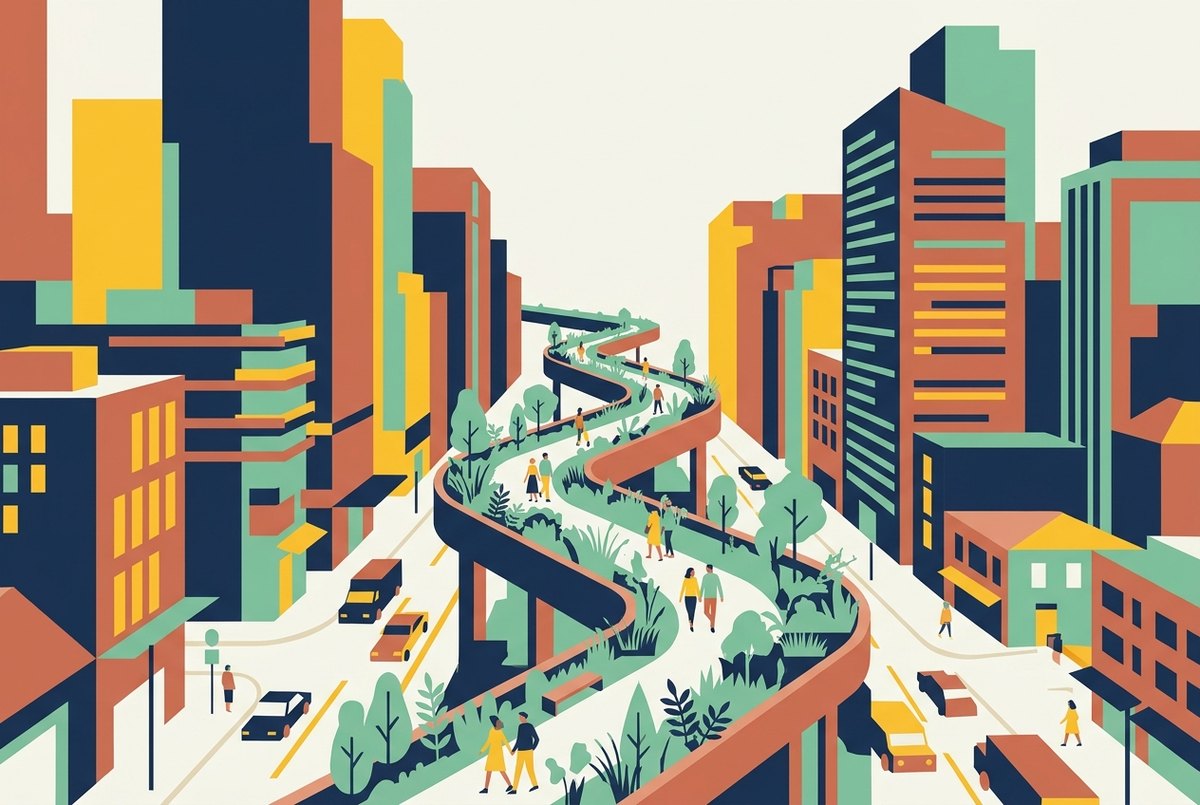
New York's High Line park is a classic example of how neglected industrial infrastructure can gain a new life and become a magnet for residents and tourists alike. The transformation of a former elevated freight railway into a modern linear park not only saved a historic structure from demolition, but also set a global trend for the revitalization of industrial sites. This case demonstrates how powerful the impact of grassroots initiatives can be on the development of urban space.
From Industrial Decline to Community Initiative
The history of the High Line began in the first half of the twentieth century, when an elevated viaduct was constructed in Manhattan to resolve the issue of dangerous street-level freight train traffic. It featured a unique design: the tracks did not merely run above the streets, but passed directly through certain factory and warehouse buildings, allowing raw materials to be unloaded straight onto factory floors. For decades, this system served as a vital transportation artery for the district. However, with the growth of interstate trucking, the need for an urban freight railway gradually faded. The last train ran here in the 1980s, after which the massive steel structure stood derelict for years, rusting and overgrown with wild grasses.
Local authorities and property owners repeatedly raised the issue of dismantling the viaduct, arguing that it blighted the neighborhood's appearance, cast shadows over streets, and blocked new development. However, local residents saw potential rather than a threat in the neglected structure. Activists formed a community organization to preserve the High Line and turn it into a public space. Thanks to their persistent advocacy campaign, the engagement of independent experts, architectural competitions, and large-scale fundraising, the city eventually abandoned demolition plans and endorsed the park concept. This marked a pivotal moment, proving that organized residents are capable of shaping their neighborhood's destiny despite the intentions of real estate developers.
Architectural Solutions and Preserving Identity
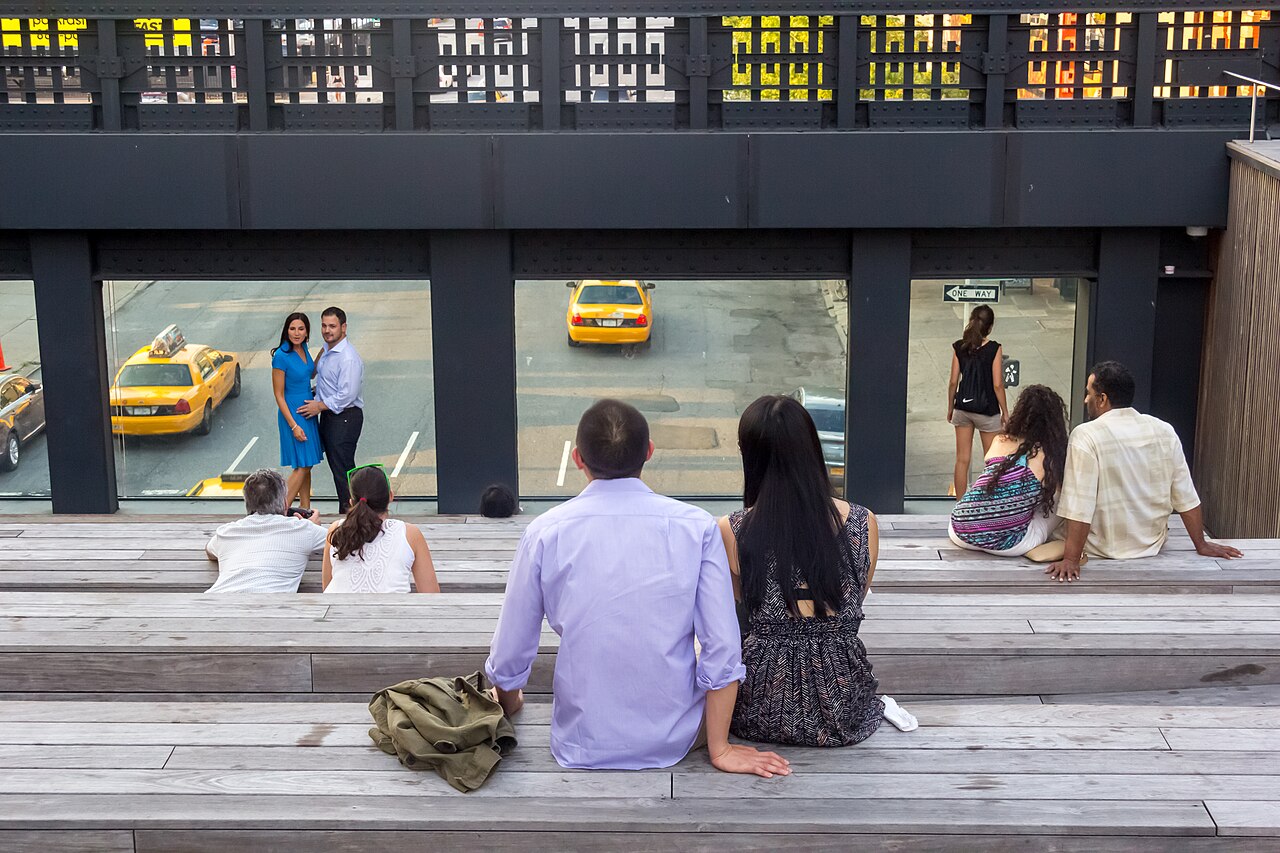
The main challenge for the team of architects and landscape designers was creating a modern, safe, and welcoming space without losing the location's unique industrial spirit. Instead of stripping the viaduct down to bare steel and concrete, the project's designers chose to subtly integrate new elements into the existing environment. Old railway tracks were meticulously preserved as part of the design—emerging through modern paving in some sections and serving as the base for rolling wooden loungers where visitors can relax in others.
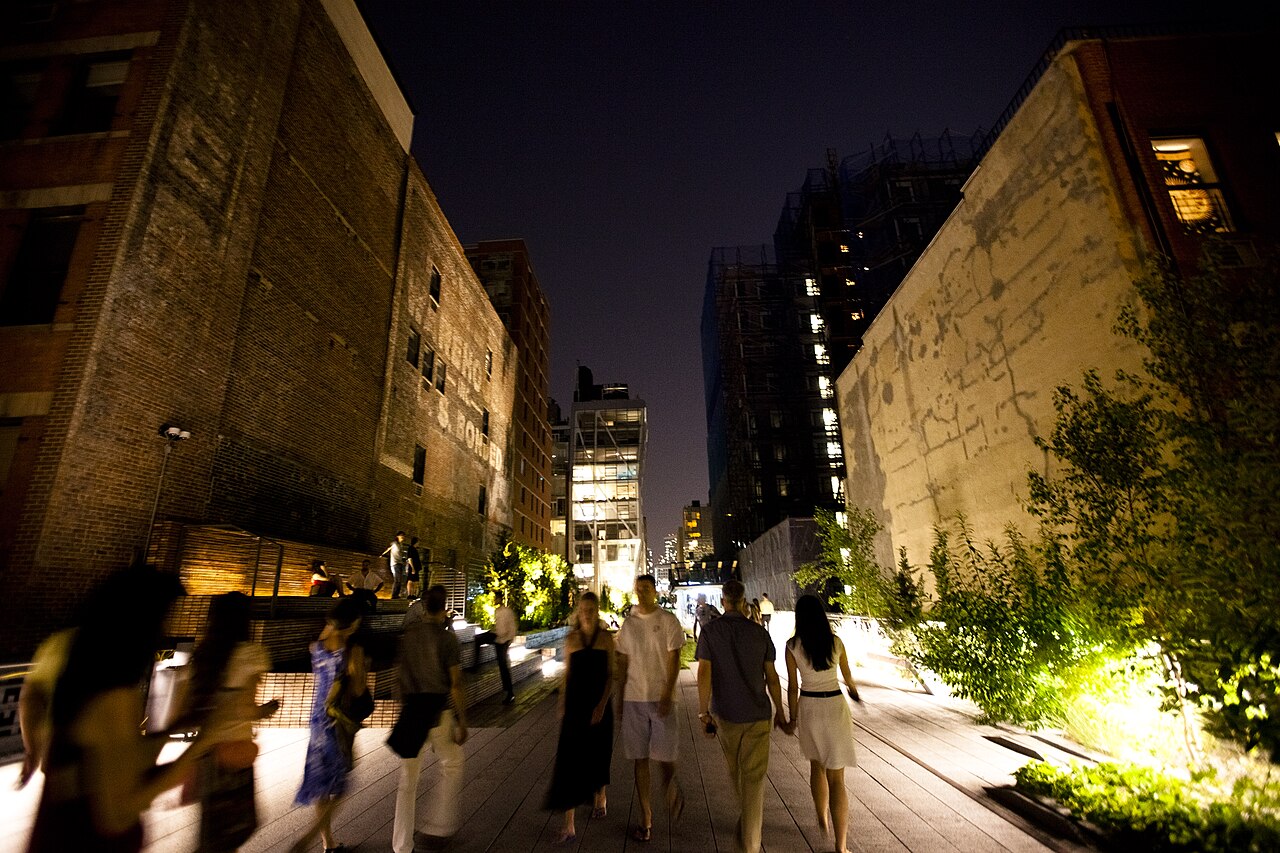
Special care was given to the plantings. Inspired by how nature had naturally reclaimed the railway over years of disuse, landscape architects selected resilient plant species: tall grasses, shrubs, and wildflowers that change their appearance across the seasons. This approach not only minimized the resources needed for watering and maintenance, but also created the feeling of genuine nature amidst dense urban development. The park's walking paths were designed to reveal fresh, uncommon vantage points of bustling New York streets, the Hudson River, and surrounding architecture. Thanks to well-planned lighting and barrier-free access, the High Line has become a comfortable setting for strolls at any time of day.
Economic Impact and the Challenges of Gentrification
The park's opening sparked a massive boom. The High Line rapidly became one of New York's most visited destinations, drawing millions of visitors each year. This spurred a swift economic resurgence in the adjacent areas. New residential developments designed by world-renowned architects, along with high-end boutiques, international corporate offices, restaurants, and contemporary art galleries, began appearing in large numbers around the former industrial zone. Within a few years, the once-abandoned neighborhood transformed into a prestigious and exceptionally vibrant hub of urban life.
At the same time, the High Line's immense economic success brought serious urban planning challenges to light, most notably rapid gentrification. Soaring commercial and residential rents forced many long-time residents and traditional small business owners to leave the neighborhood permanently, unable to afford living and working there any longer. In global urbanism, this phenomenon has come to be known as the "High Line effect." Today, the park's creators and curators openly acknowledge this issue, emphasizing that when planning large-scale infrastructure projects, effective mechanisms must be established early on to protect local communities from displacement.
Lessons for Ukrainian cities
- Rethinking, not demolition. Instead of automatically tearing down old industrial facilities or abandoned infrastructure, Ukrainian cities should explore avenues for their adaptive revitalization. Preserving industrial heritage provides urban spaces with a distinctive identity and is often a more sustainable choice than new construction.
- The power of community initiatives. This case illustrates that proactive citizens can serve as full-fledged catalysts for significant change. Municipalities need to establish effective channels for civic dialogue and support community visions that convert neglected areas into public assets.
- Protection against the downsides of success. When designing major new urban attractions, it is essential to anticipate their economic impact on adjacent neighborhoods. Measures to protect affordable housing and support local micro-businesses must be implemented in advance to prevent the displacement of long-term residents due to surging property values.
- Nature-friendly landscape design. Utilizing native and low-maintenance plant species allows for the creation of sustainable green spaces that demand significantly fewer resources to maintain. This approach is particularly relevant for Ukrainian cities operating under constrained municipal budgets and facing the need to adapt to climate change.